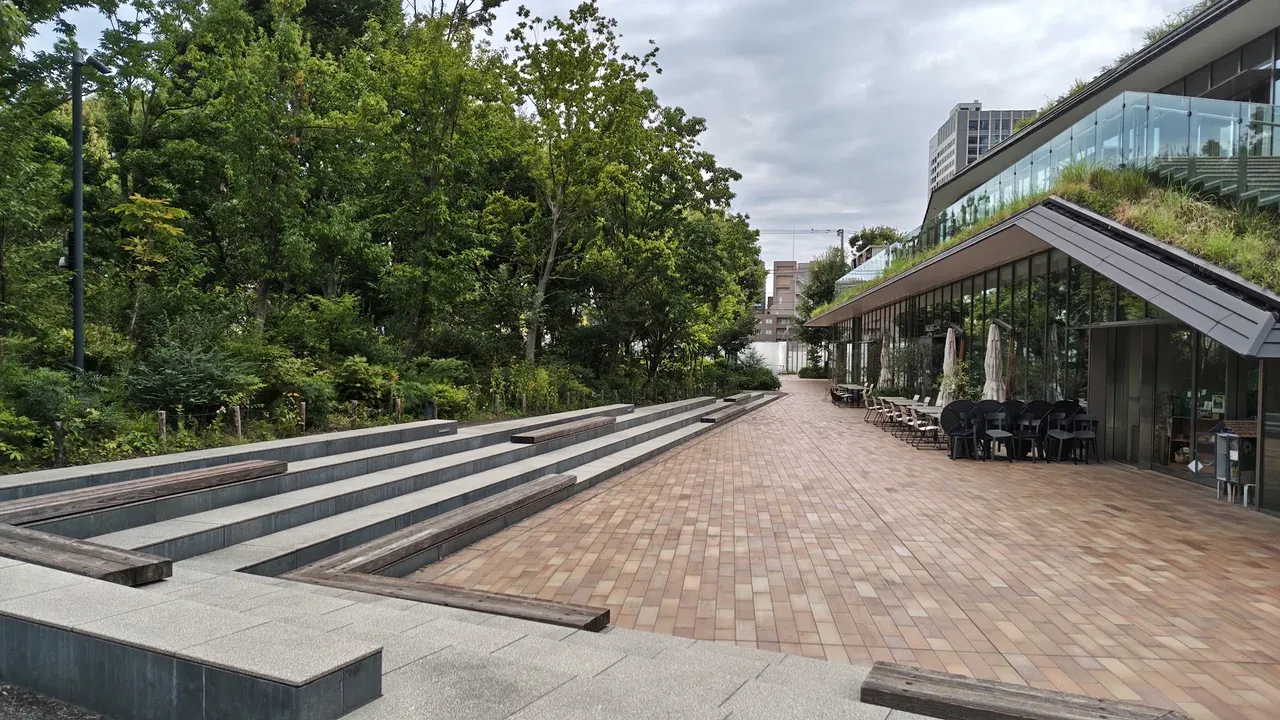
Seating at Nono Aoyama near Omotesando.
I once spent about an hour walking around Omotesando Station, through the big intersection and into the side streets. I didn’t find an outdoor bench or even a vending machine. If I wanted to sit down, it felt as though I would have to go into a café.
In Marunouchi, I sit along Nakadori. The two experiences make me wary of saying that Tokyo has no benches. The question for a visitor is more useful than that: where should you plan your breaks before you start walking?
My experience in Omotesando was one walk, not a count of every seat. In fact, there are recorded places to sit in the wider area. But a seat that exists somewhere is not necessarily a seat you can see when your feet are tired. Here are places to look, and what we could and could not establish about them.
If you are planning a walk, choose a first stop and a backup before your feet get tired:
- Tokyo Station and Marunouchi-Nakadori: Look for the Shin-Marunouchi Building’s Nakadori Terrace, an outdoor rest space the building describes as free for anyone to use. For an indoor option, the Wadakura Free Rest House has limited opening hours.
- Around Omotesando Station: I would choose a stop in advance. Minato City lists benches and a drinking fountain at Minami-Aoyama 3-chome No. 2 Green Space, about five minutes from exit A4; other candidates include building terraces and nearby parks.
- At the Harajuku end of Omotesando: Look for Omohara no Mori, the sixth-floor garden at Omokado. It has opening hours and permits food and drinks only if bought in the building.
These are places to look, not promises of a vacant seat. The detailed conditions and sources follow below.
Why people are talking about benches
In 2024, a Japanese social-media post joked that the only free place its author could sit was by the Imperial Palace moat. Unseen Japan reported that it received 120,000 likes. A traveler on Reddit asked where to pause and watch people between long walks; replies described both the difficulty of finding seats and the usefulness of parks and malls. These are individual experiences, not a citywide count, but I recognize the question.
The question was still making news in October 2026. TV Asahi interviewed a visitor in Ginza who said their feet hurt after walking for an hour and wished for benches. The report also quoted a local police representative saying that space and the streetscape made installing them difficult. The next day, Tokyo Sports reported that broadcaster Risa Unai had suggested on X that Omotesando and Ginza could have more benches like Marunouchi. These are individual experiences and views, not counts of seats or measurements of available pavement.
The answer matters whether you are traveling with a child, have limited mobility, or simply need to rest. In a 2022 Nakano City disability-services survey, one respondent described the strain of stairs and difficulty finding a bench when they needed a break. That is one person’s experience in a different part of Tokyo, not a measure of the city’s seating. A café can be a welcome stop. It is harder to rely on one when you need a seat immediately, have already spent money on several breaks, or find it full.
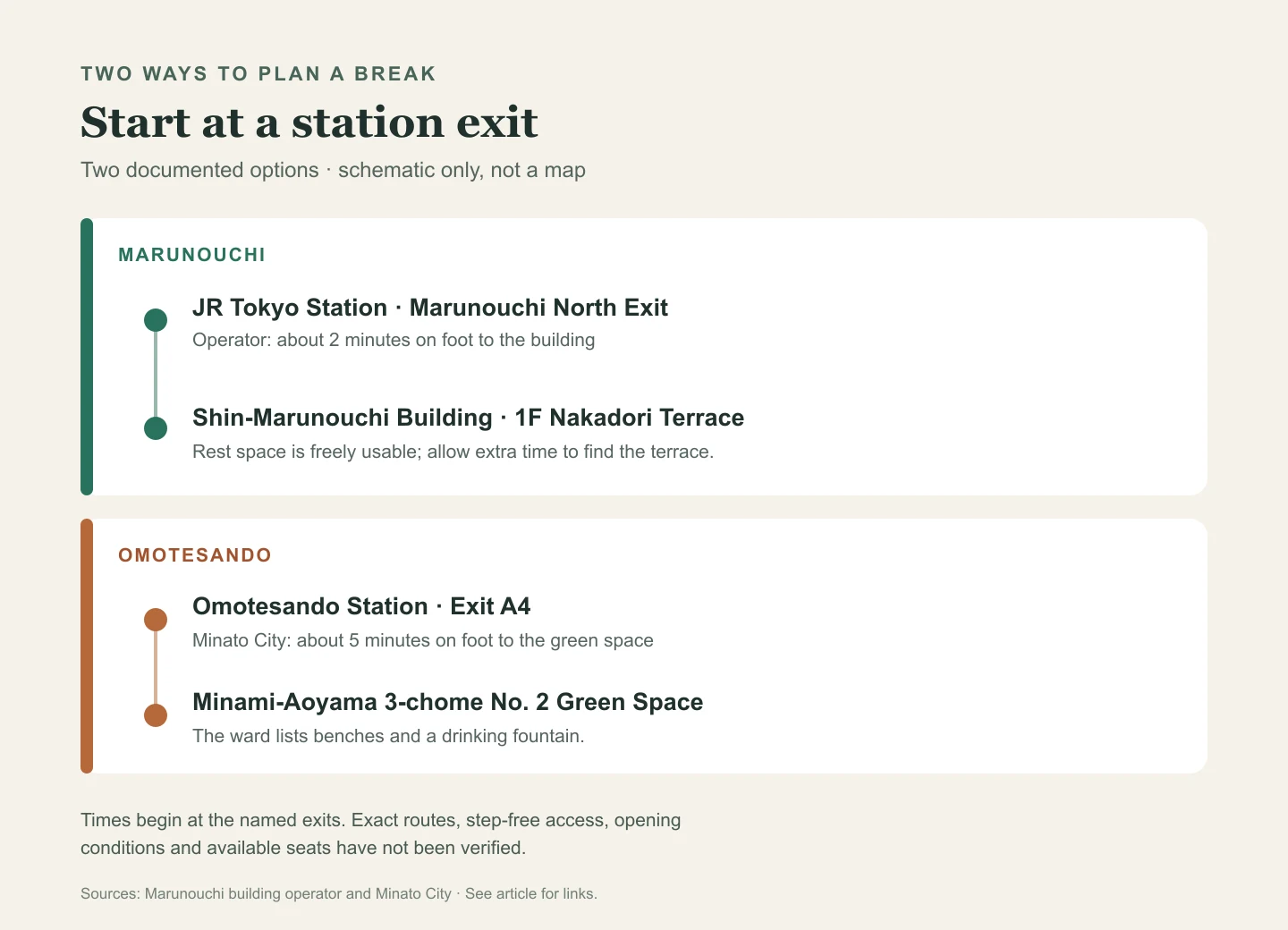
Two ways to plan a break, shown as a schematic rather than a map. The estimates start at the station exits. Two minutes is to the Shin-Marunouchi Building, not to a seat; allow time to find its terrace. Sources: building access, floor guide and Minato City.
Marunouchi: look along Nakadori
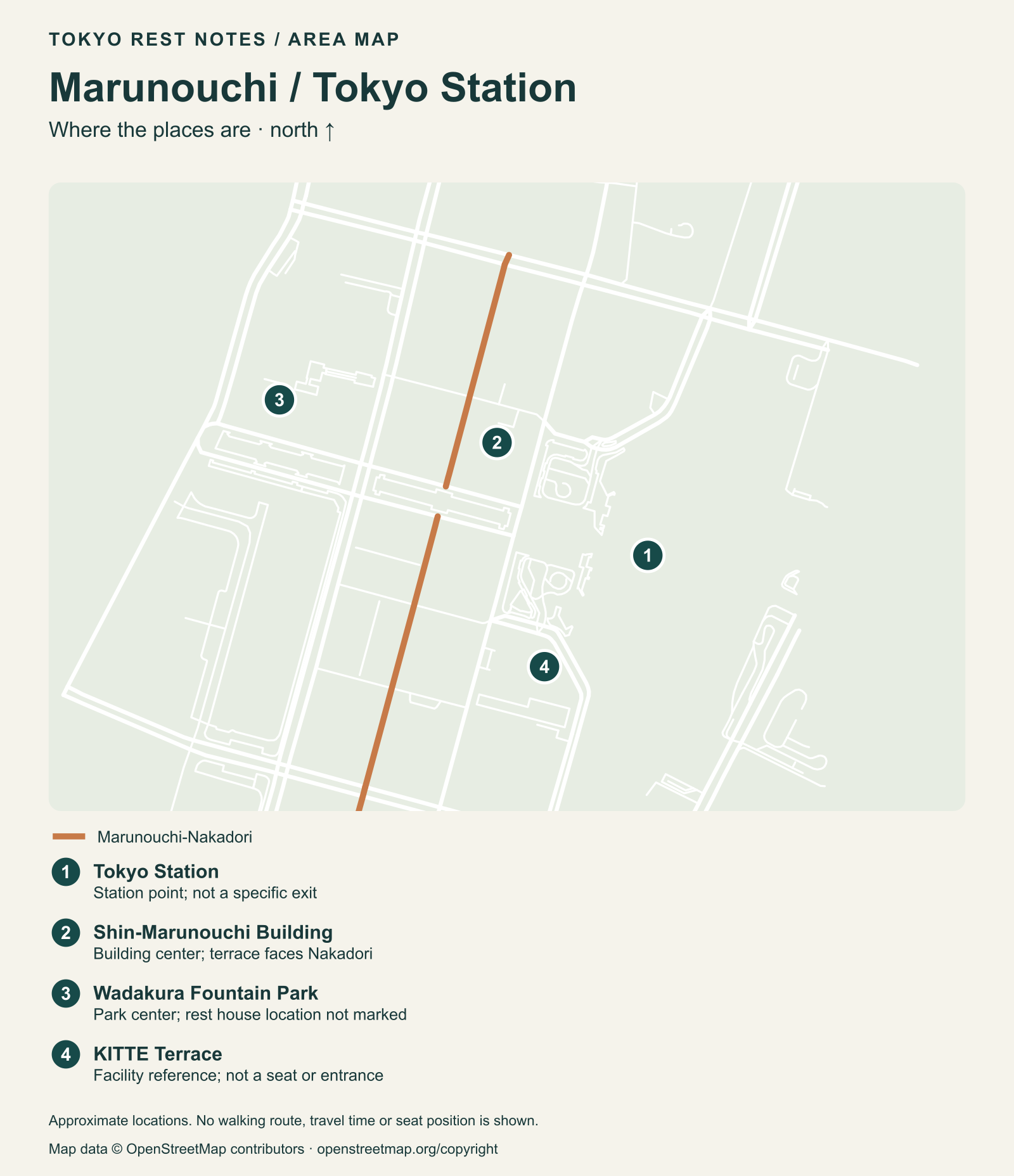
Marunouchi orientation map: 1, Tokyo Station; 2, Shin-Marunouchi Building; 3, Wadakura Fountain Park; 4, KITTE Terrace. The markers are approximate, and the highlighted line is Nakadori, not a walking route. Open the full-size map. Map data © OpenStreetMap contributors, ODbL; selected roads, styled and labeled. The KITTE marker uses the DMO facility reference. Map sources and code (ZIP, 1.5 MB).
Leave Tokyo Station on the Marunouchi side and look toward Marunouchi-Nakadori Avenue. This is where I would think to look for a seat. Some of the area’s places to rest are on privately managed property, but are described as open for general use. During a temporary street event in summer 2026, a reporter documented benches on Nakadori and tried one that blew air. That event ended in August; the report does not show what seating is available today.
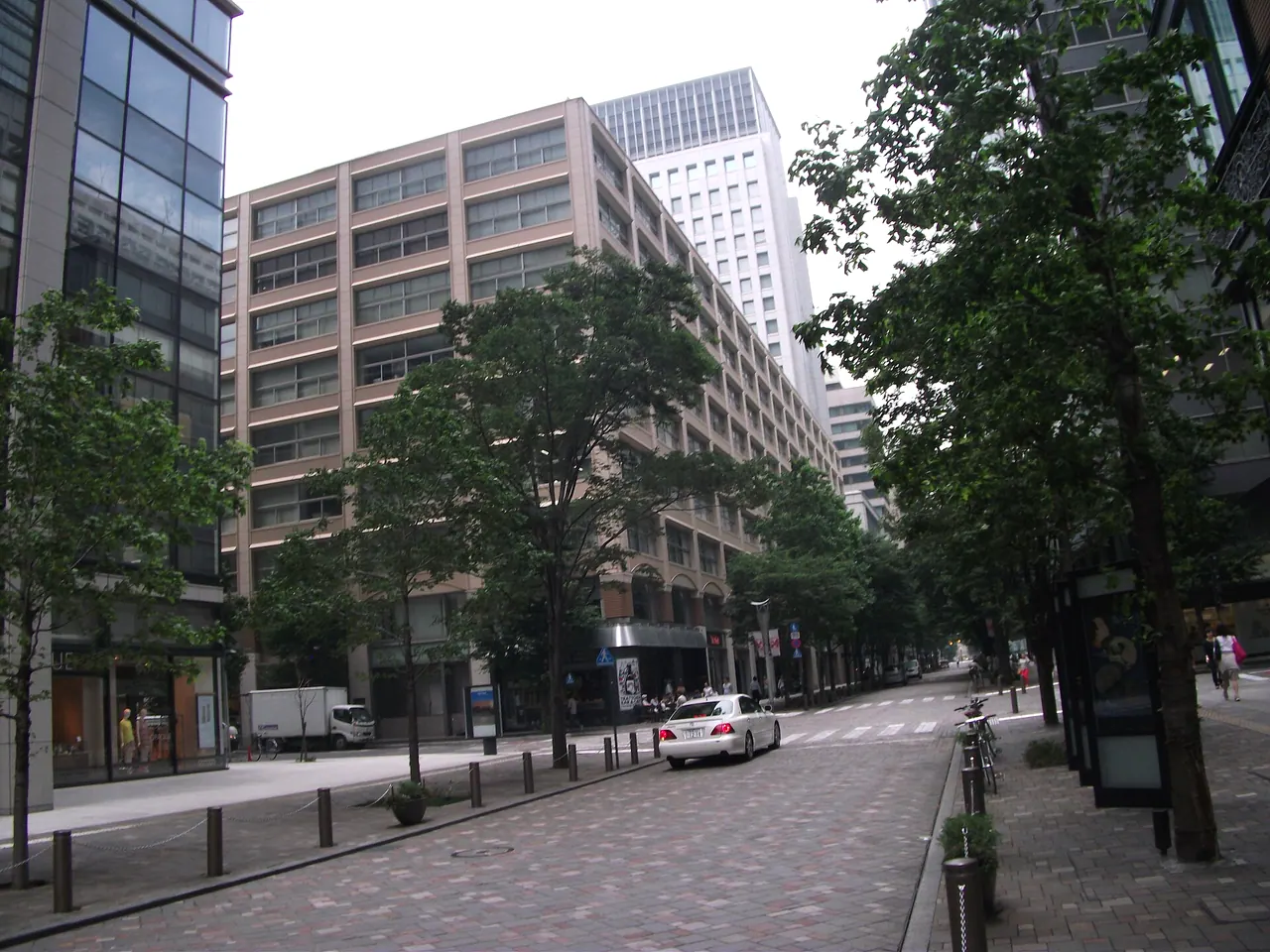
-
Shin-Marunouchi Building, Nakadori Terrace: On the ground floor facing Nakadori, the building’s guide describes an outdoor rest space that anyone can use freely. The operator estimates two minutes on foot from JR Tokyo Station’s Marunouchi North Exit to the building, which is also connected by an underground passage. Walking directions lead to the building; allow extra time to find the terrace. They do not establish a step-free route to the seats. Dedicated terrace hours are not specified in the guide.
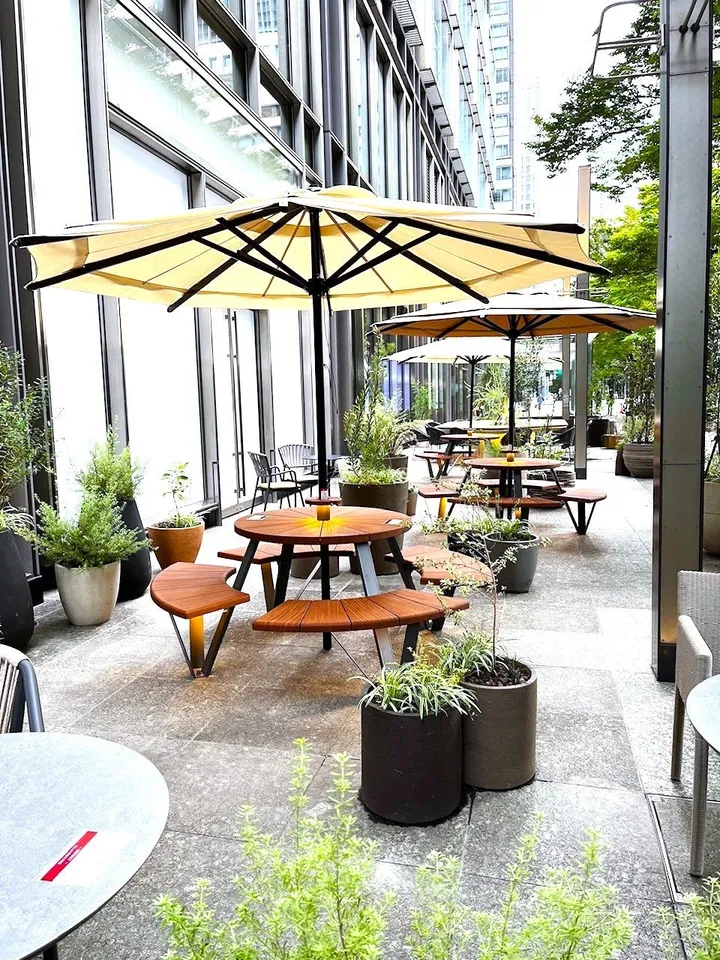
Shin-Marunouchi Building Nakadori Terrace in a 2023 press release; seating may have changed. · Oval Liaison Co., Ltd. · PR TIMES media terms · Resized and converted to WebP; metadata removed. -
KITTE Terrace: Between KITTE and the adjacent Tokyo Building, DMO Tokyo Marunouchi describes an outdoor space with permanent benches that people ordinarily use to rest. It estimates one minute from Tokyo Station’s Marunouchi South Exit. This terrace is distinct from the sixth-floor KITTE Garden. Part of the terrace can be rented for events; check conditions and allow for seats being occupied.
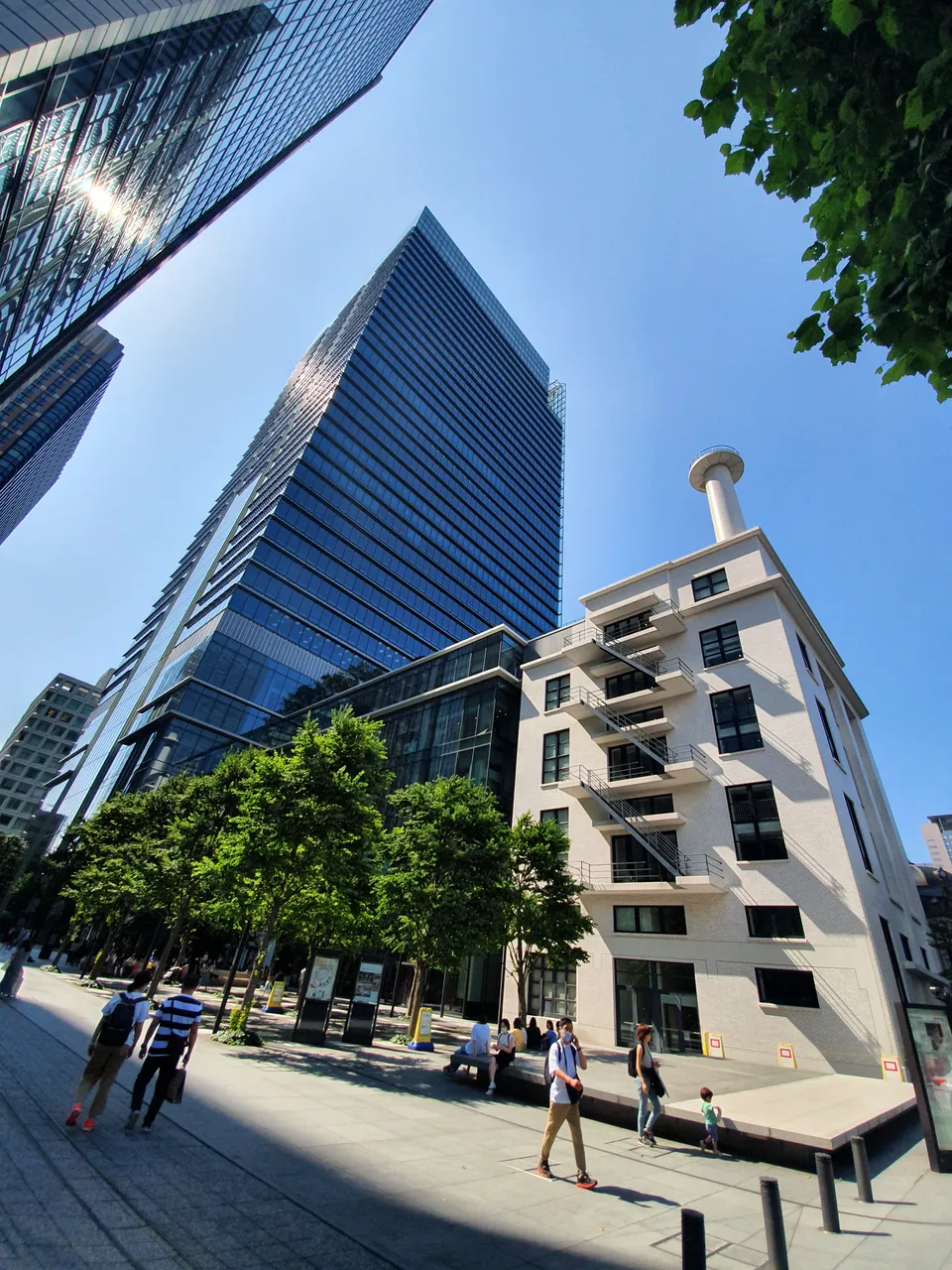
The rear of KITTE in 2022; this view does not confirm the KITTE Terrace seating. · Syced · CC0 1.0 · Resized, lightly adjusted brightness and color, and converted to WebP; metadata removed. -
Marunouchi-Nakadori Urban Terrace: During vehicle restrictions, tables and chairs are set out in the road between the Marunouchi Building and the Shin-Kokusai/Kokusai buildings. The area operator lists 11 a.m.–3 p.m. on weekdays and 11 a.m.–5 p.m. on weekends and public holidays. These are timed street seats, not an all-day promise. A separate winter street event is scheduled for November 12–December 25, 2026, 11 a.m.–10 p.m.; its organizers plan tables and chairs, but availability and conditions can change.
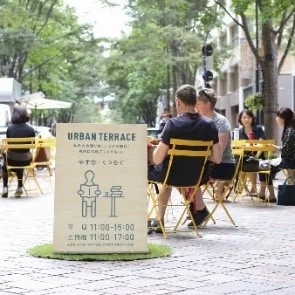
Marunouchi-Nakadori Urban Terrace in a 2021 press release; seating arrangements may have changed. · NPO OMY Area Management Association · PR TIMES media terms · Converted to WebP; metadata removed. -
Wadakura Free Rest House: Toward the Imperial Palace, the operator lists a free indoor rest house open 9 a.m.–5 p.m. and a terrace with tables and chairs open 9 a.m.–4 p.m. The rest house is on the east side of Wadakura Fountain Park; the approach described by the operator includes a gravel path. Eating and drinking are permitted inside, but alcohol is not. The terrace can close in bad weather; the facility may close for maintenance or security. The Environment Ministry asks visitors to avoid lengthy stays so others can rest too.
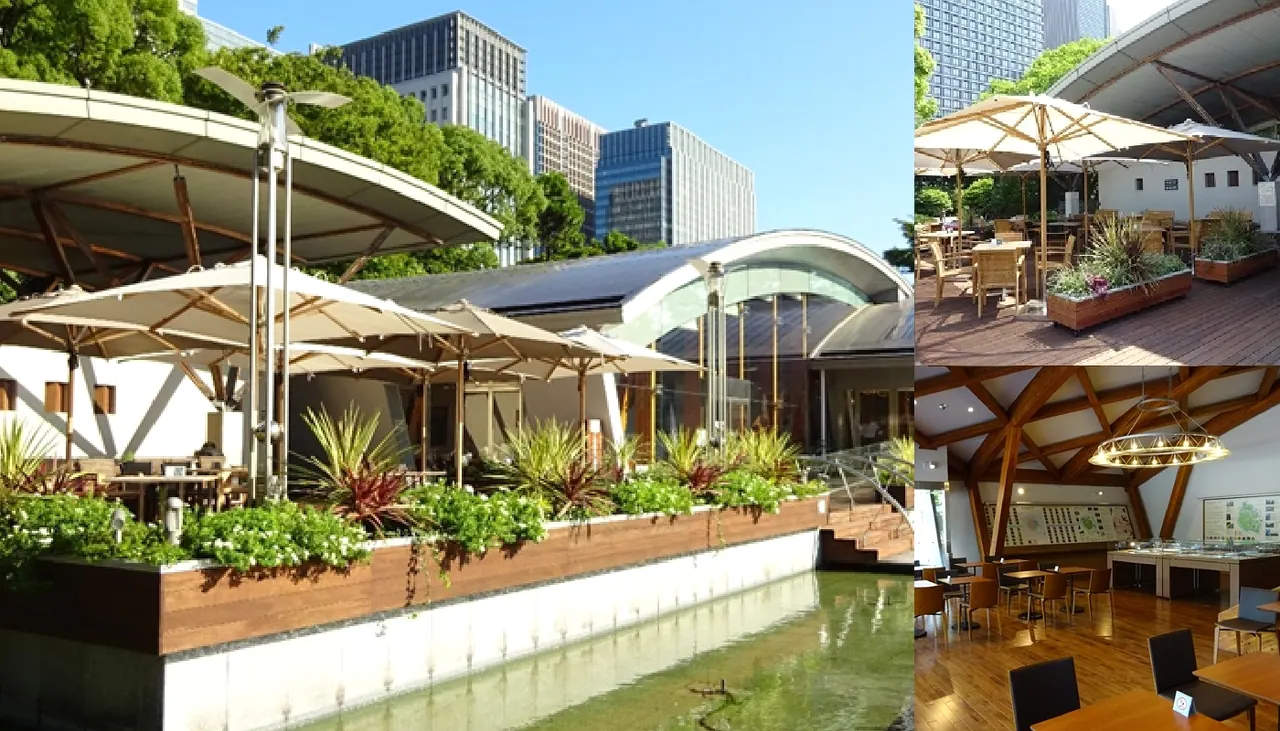
Wadakura Free Rest House; conditions may have changed. · Ministry of the Environment, Japan · Public Data License 1.0 · Resized, lightly adjusted brightness and color, and converted to WebP by Tokyo Corners; metadata removed.
These places have different hours and conditions. If one is full, closed or unsuitable in the weather, try another rather than assuming that a seat will be waiting.
The number of chairs does not tell you how many people use them over a day, or whether one will be free when you arrive. For a 2016 study on one block of Nakadori, researchers set out 48 movable chairs and 16 tables and observed the people who sat there from noon to 2 p.m. They recorded 117 seated people on Sunday, November 13, and 71 on Tuesday, November 15. These were two historical observations, not simultaneous occupancy or a forecast for today; weather differed between the days, too.
For planning around mobility needs, Tokyo’s accessibility guide describes an underground passage between KITTE’s basement and JR Tokyo Station’s Marunouchi South Exit Underground Gate, and a wheelchair-accessible restroom beside the rest area in Wadakura Fountain Park. The passage leads to the building, not a confirmed step-free route to the outdoor terrace seats. The English guide gives conflicting information dates—January 2023 near its route and January 2026 elsewhere—so check its Japanese version and confirm current conditions before traveling.
Omotesando: choose a stop before you need it
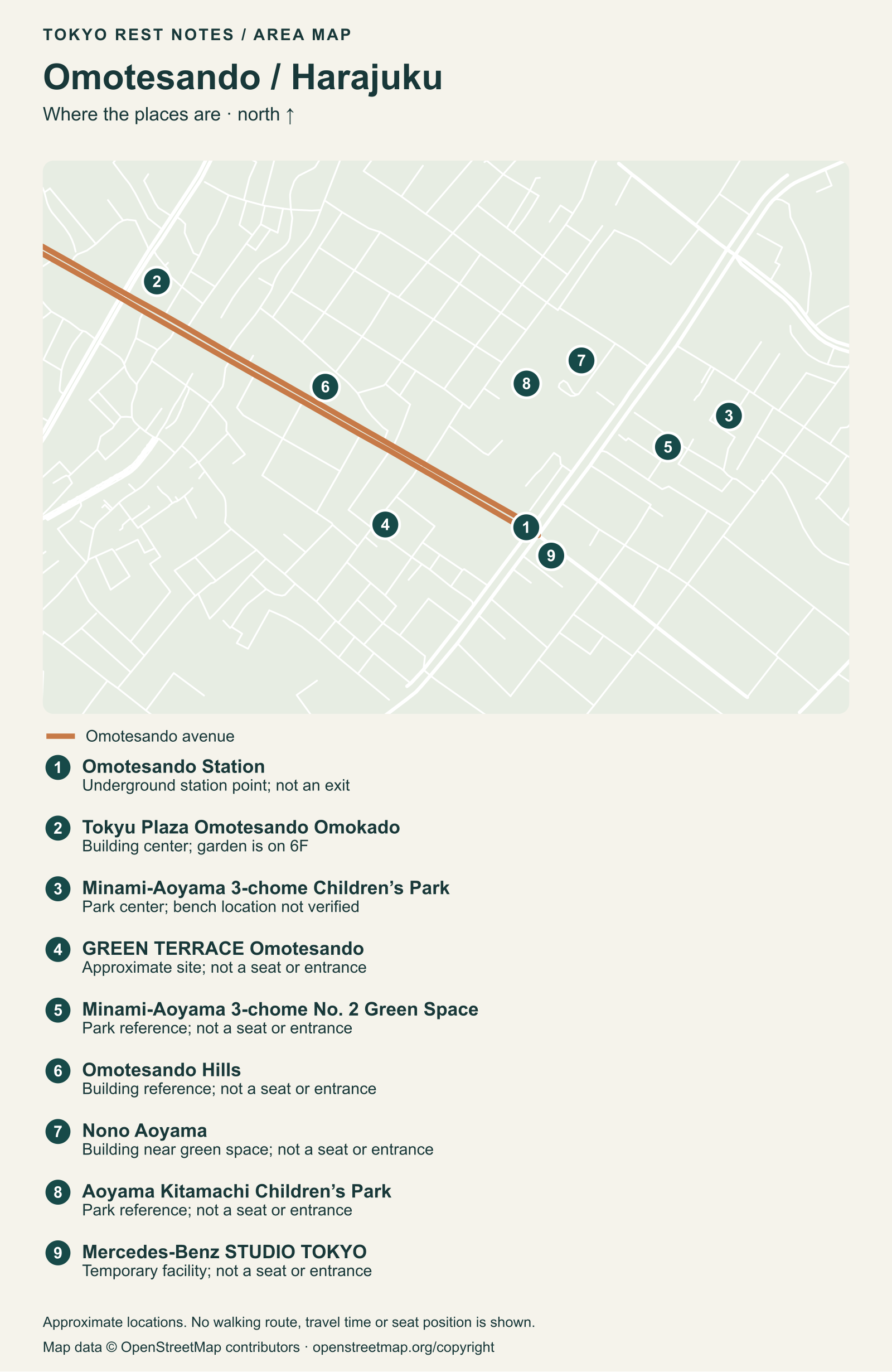
Omotesando orientation map: 1, Omotesando Station; 2, Omokado; 3, Minami-Aoyama 3-chome Children’s Park; 4, GREEN TERRACE; 5, Minami-Aoyama 3-chome No. 2 Green Space; 6, Omotesando Hills; 7, a Nono Aoyama building; 8, Aoyama Kitamachi Children’s Park; 9, Mercedes-Benz STUDIO TOKYO, a temporary venue. The markers are approximate, and the highlighted line is the avenue, not a walking route. Open the full-size map. Map data © OpenStreetMap contributors, ODbL; selected roads, styled and labeled. The green space and Aoyama Kitamachi park markers use locations linked by Minato City and the park page; the venue marker uses the operator’s location. Map sources and code (ZIP, 1.5 MB).
I would be more deliberate about a break here than on Nakadori: find a destination first, especially if walking for a long time is difficult. Bring a drink too, rather than counting on finding a vending machine along your particular walk. I didn’t see one on mine; that does not mean there are none in the neighborhood.
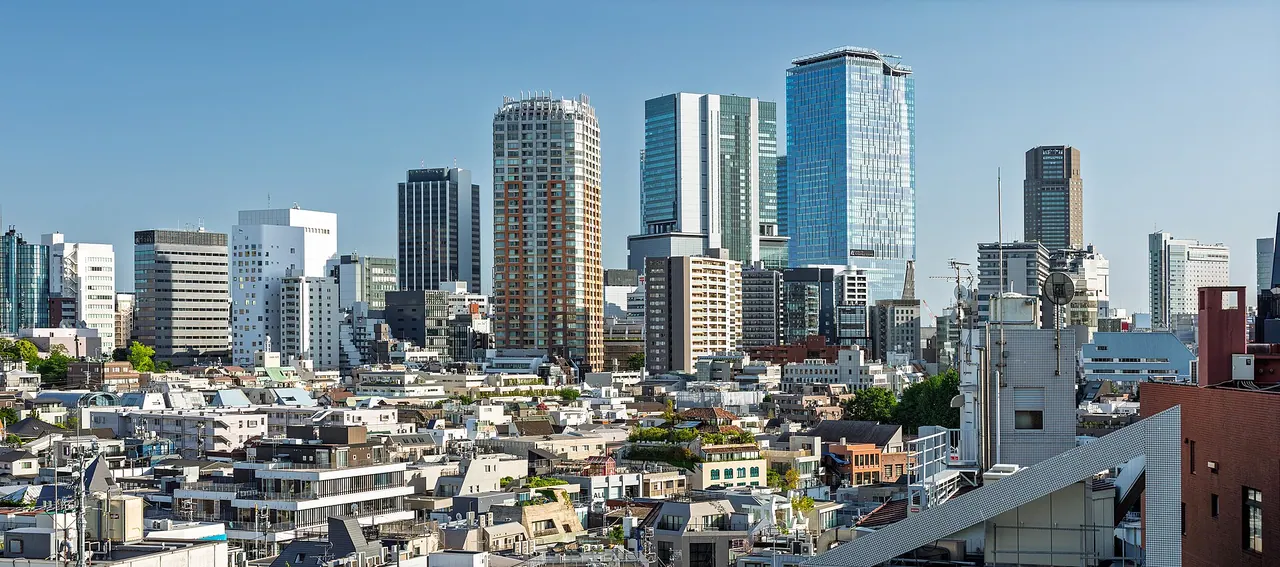
There are alternatives to a café, though they may take you off your route or upstairs:
-
Mercedes-Benz STUDIO TOKYO: At Omotesando Crossing itself, a temporary venue at 5-1-1 Minami-Aoyama is scheduled to operate through February 28, 2027. Its designer describes outdoor benches in a space intended for passersby to drop in. The venue manager lists free admission, normally 11 a.m.–11 p.m.; some activities require reservations, and hours can change. The operator estimates one minute from Omotesando Station exit A5 to the venue, not to a particular seat. Walking directions start from a general station marker, not a confirmed A5 exit. We have not confirmed whether the particular benches are currently there, whether a purchase is required to use them, whether they are available outside venue hours, or a step-free route to them.
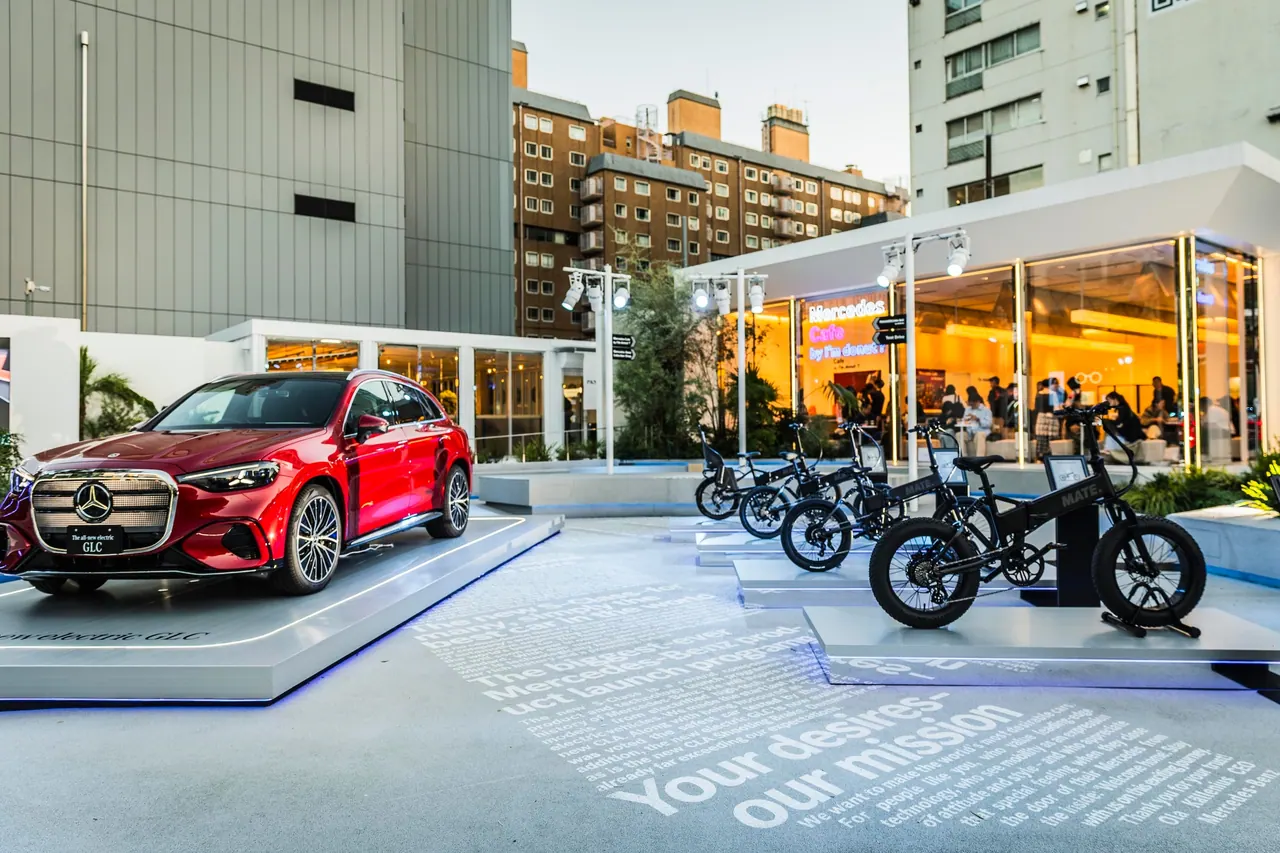
Mercedes-Benz STUDIO TOKYO during a 2026 event; the display was temporary and the photo does not confirm seating. · MATE.BIKE JAPAN Co., Ltd. · PR TIMES press terms · Resized and converted to WebP; metadata removed. -
GREEN TERRACE Omotesando: Near Omotesando Station at 3-8-15 Kita-Aoyama, the building’s guide describes shared benches on each floor. A 2026 visit report describes a crescent-shaped bench on the third floor and another in the basement. A 2025 design-award description says the open terraces were intended for people to relax even without visiting a shop. The operator lists the building about two minutes from exits A1 and B2; this is an estimate, not a guarantee of an accessible route. Check current opening and seat conditions before relying on it.
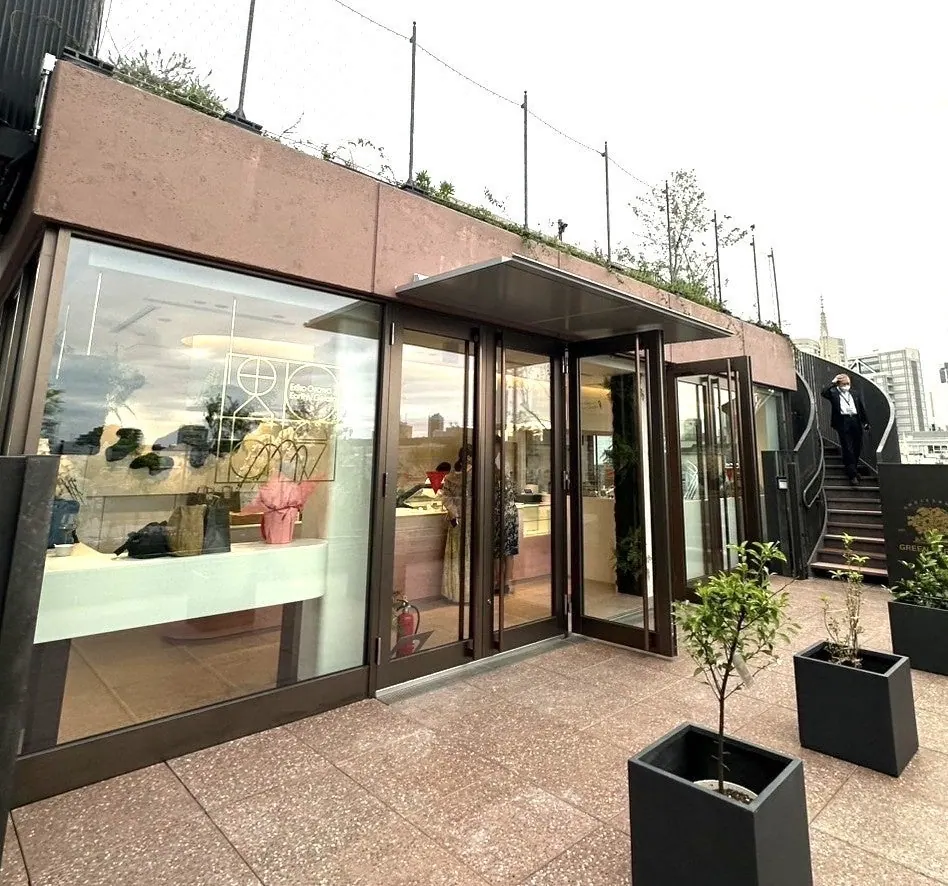
GREEN TERRACE in an opening announcement published in 2025. The shared benches are not shown. · Earth Link JAPAN Co., Ltd. · PR TIMES press terms · Converted to WebP; metadata removed. -
Omotesando Hills: For an indoor break, Tokyo’s accessibility guide describes rest areas with benches along the spiral passageways and on a basement level; its facility details are dated January 2026. The building lists shop hours as 11 a.m.–8 p.m., with variations and occasional closures. We have not confirmed the current seating or whether every rest area can be used without a purchase.
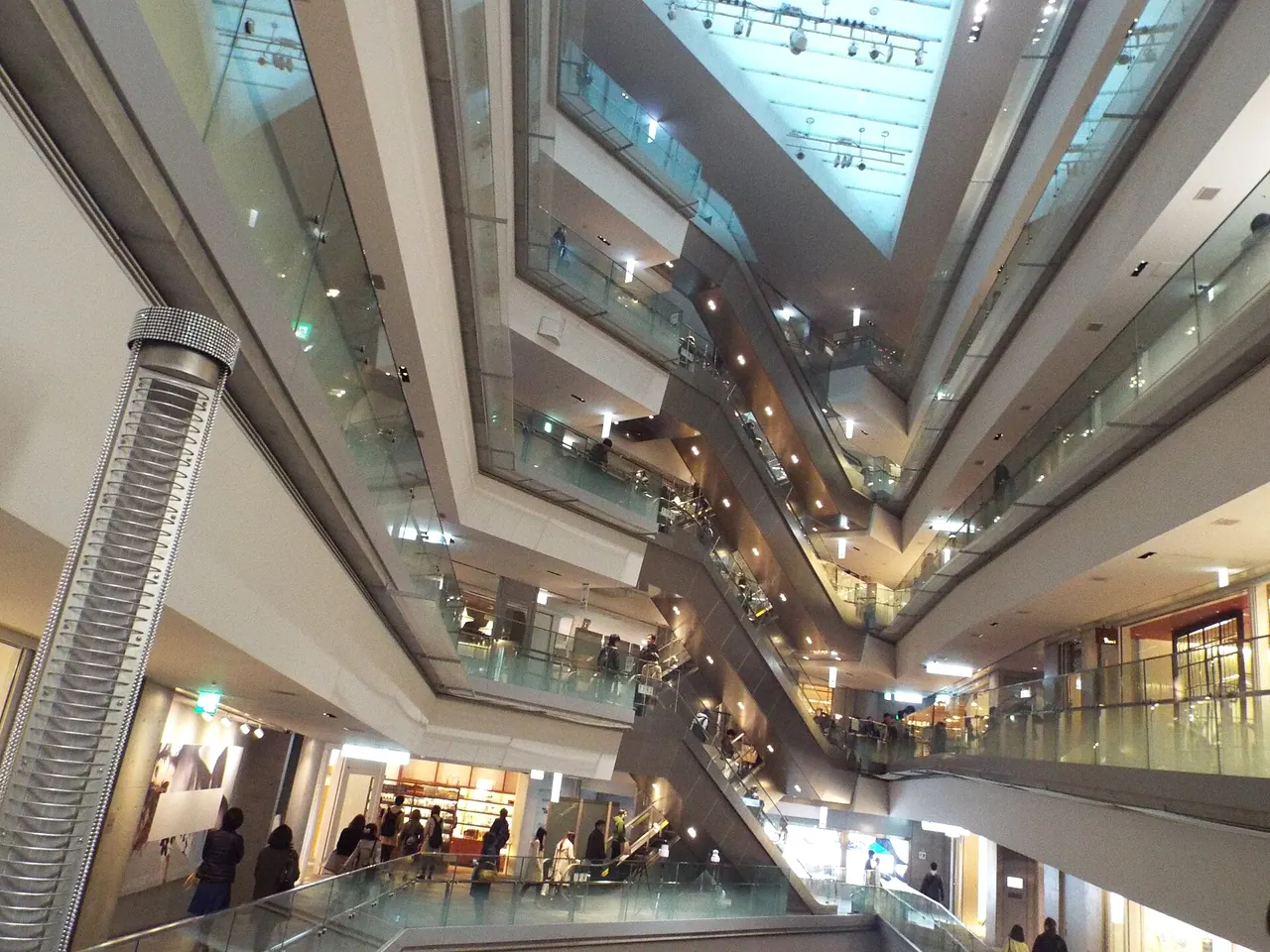
Omotesando Hills in 2015; seating may have changed. · Syced · CC BY-SA 3.0 · Resized, lightly adjusted brightness and color, converted to WebP; metadata removed. -
Nono Aoyama and Aoyama Kitamachi Children’s Park: Off the main avenue at 3-4-3 Kita-Aoyama, a 2025 Minato City local magazine describes shaded benches in the landscaped Nono Aoyama complex. Its access guide estimates five minutes from Omotesando Station exit A3 to the complex, not to a particular seat. Walking directions start from a general station marker, not a confirmed A3 exit or a step-free route. Next to the complex, Minato City lists Aoyama Kitamachi Children’s Park at 3-4-2 Kita-Aoyama as a place for play and rest; a 2026 neighborhood guide also describes benches in the park. The park and complex are separate places. We have not confirmed the present condition of the seats, access hours, purchase conditions for the complex or availability.
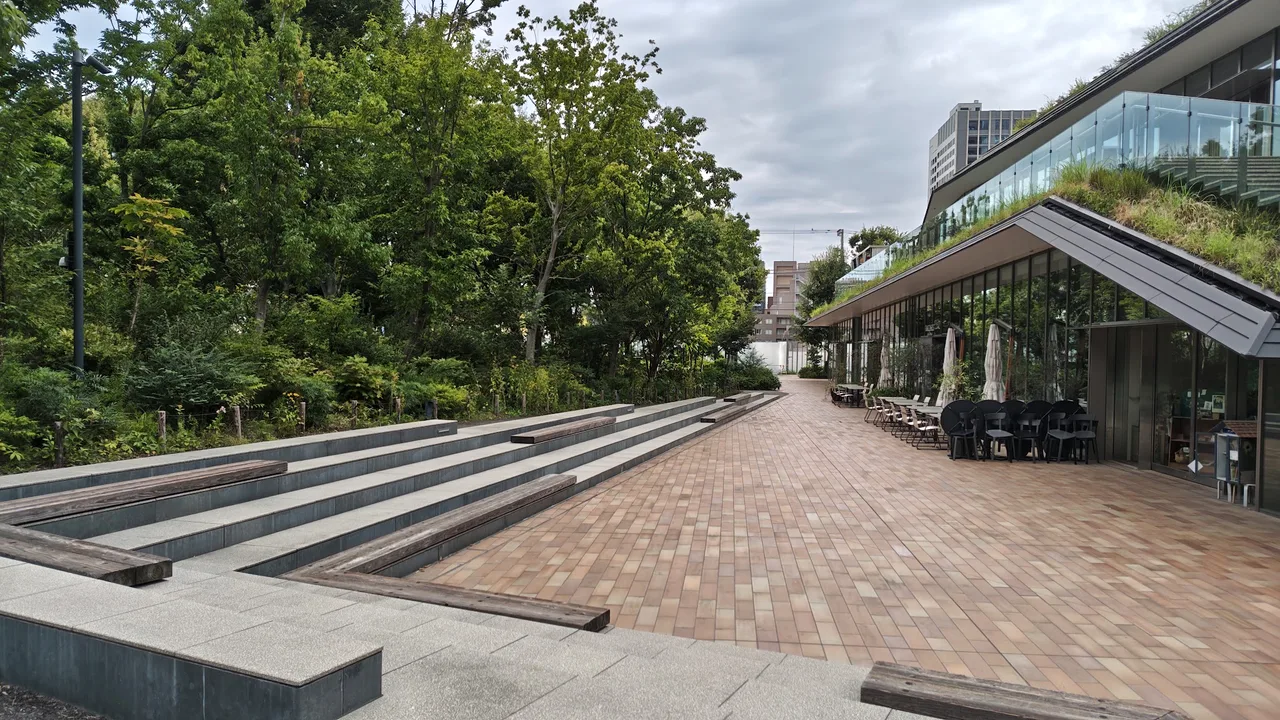
Seating at Nono Aoyama; the adjacent Aoyama Kitamachi Children’s Park is separate. Seating and availability may have changed. -
Jingumae 3-chome Children’s Park: Across a small street from Nono Aoyama, Shibuya City lists this separate small park at 3-2-11 Jingumae. A visitor in January 2025 recorded benches, stools and a vending machine there. This is a historical observation: we have not confirmed that the seats or machine remain, the park’s hours or their present availability.
-
Omohara no Mori: The sixth-floor garden at Tokyu Plaza Omotesando “Omokado” is a place to look near the Harajuku end of the avenue. A Tokyo parks organization guide describes it as free space for rest, and a travel guide suggests it as a place to sit. The building lists 8:30 a.m.–10:30 p.m. with irregular closures. Its access guide estimates seven minutes from Omotesando Station exit A2 or one minute from Meiji-jingumae Station exit 5 to the building; allow extra time to reach the garden. If eating or drinking there, only items bought in the building are permitted; drink water brought from elsewhere before entering the garden. We have not confirmed the current number of usable seats or the rules for every seating area.
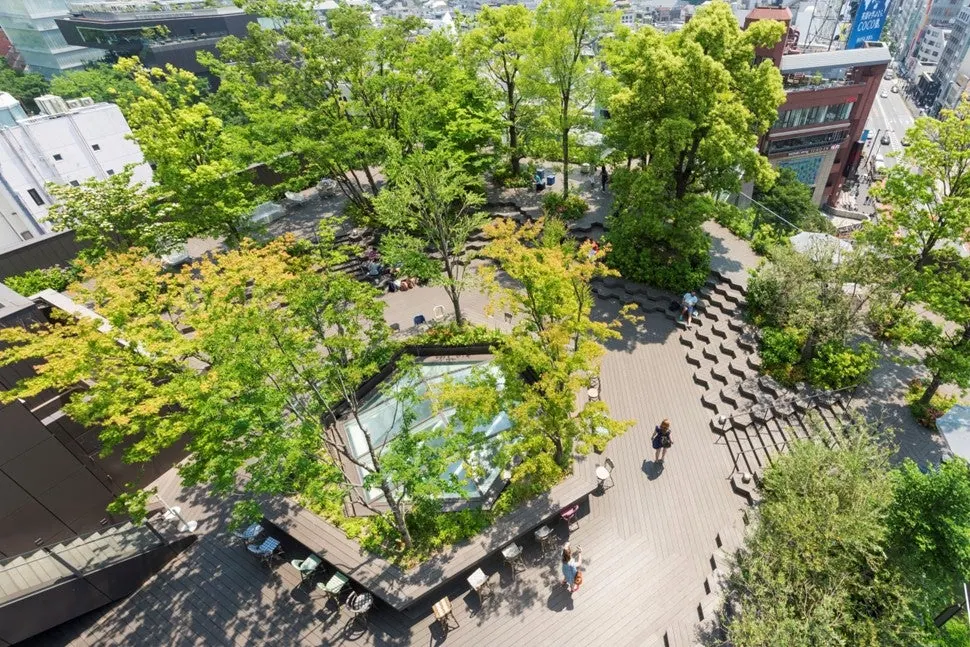
Omohara no Mori in a 2024 announcement; seating and conditions may have changed. · Tokyu Land Corporation · PR TIMES press terms · Converted to WebP; metadata removed. -
Minami-Aoyama 3-chome No. 2 Green Space: At 3-10-5 Minami-Aoyama, Minato City lists benches and a drinking fountain. The ward says it opened in December 2025 and estimates a five-minute walk from Omotesando Station exit A4. Search for 南青山三丁目第二緑地 or use the ward’s map to locate the green space; the marker does not identify an individual bench or entrance. A March 2026 on-site report shows a bench in the green space and describes benches at the separate Omotesando Grid Tower across a small street. The developer had planned that plaza for public use. Opening hours, fees, accessible routes and available seats at both places have not been confirmed.
-
Minami-Aoyama 3-chome Children’s Play Park: The park manager lists a bench here; a 2025 park-management report also recorded one. The ward’s facility page gives the address as 3-7-29 Minami-Aoyama. Treat it as a candidate, not a guaranteed available seat: we have not checked its current condition, access hours or exact position within the park.
There is evidence against saying that Omotesando has no seating at all. A Minato City bench map recorded six backless benches with tables at Aoyama Rise Square, 5-1-22 Minami-Aoyama, and one L-shaped planter bench at World Kita-Aoyama Building, 3-5-10 Kita-Aoyama. Those were the ward’s records as of November 30, 2021, for spaces beside buildings facing the street. A bench-finding site recorded other places in 2022–24. These are useful leads, but they are not a current inventory: the seats may have changed or be occupied. My experience is that I didn’t find a bench on my walk; it doesn’t establish that none existed.
The difficulty of finding a place to pause also has an older record nearby. In 2014, a Columbia University planning studio, working for developer Hulic, surveyed and mapped seating along Aoyama-dori, the road that crosses Omotesando by the station. The team reported finding few benches along its study street. That is a historical observation about Aoyama-dori, not a count of today’s seats on Omotesando or a matched comparison with Nakadori.
Seating is not always shaped like a familiar park bench. A 2022 study of Omotesando’s trees and streetscape describes a design in which the planting strip also serves as a bench. In an August 2026 Street View image near the Omotesando intersection, low bars are visible beside planting, but the image does not establish whether those particular bars are seats or can be used. Trees and planting also obscure parts of the pavement. Neither the study nor a partial image can tell us how many usable seats are there today.
If you are planning the walk between Harajuku and Omotesando, Tokyo’s accessibility guide gives a route, crossings and station-elevator information. It notes a long, gentle uphill stretch on Omotesando and recommends assistance for a manual wheelchair. At the Harajuku end, it also describes many benches in Yoyogi Park and estimates four minutes from JR Harajuku Station’s East Exit to the park, not to a particular bench. That estimate is calculated at about 60 meters per minute, so allow more time if needed. The park operator says admission is free, although some facilities charge; check its construction notices for possible path and area restrictions. The English accessibility page gives conflicting information dates—January 2023 near the route and January 2026 elsewhere—so check the Japanese route information, based on January 2026 conditions, and confirm any changes before traveling. The Japanese guide also embeds a 360-degree route video made in fiscal 2025; you can look around the street, but the footage does not establish current seating or route conditions.
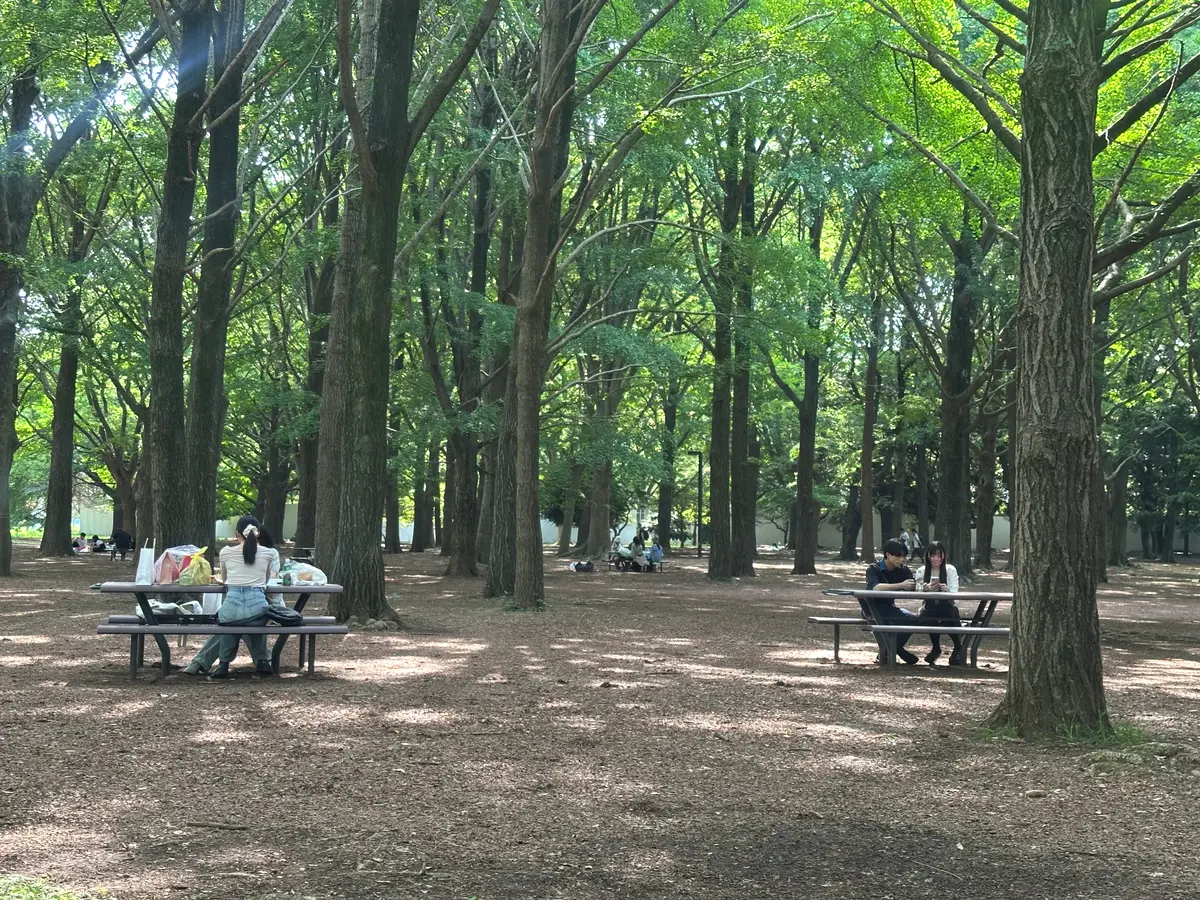
Other places to plan a pause
These are starting points, not a survey of the surrounding streets. Check the linked operators for changes, and allow for a seat being occupied.
-
Shibuya — Koen-dori: The shopping-street association announced a bench on the street in front of Excelsior Caffé Shibuya Koen-dori, open for anyone to use, with installation scheduled from August 2023 through March 31, 2027. The café’s address is 1-20-12 Jinnan; it is a landmark for the street bench, not a requirement to enter the café. The announcement does not confirm the bench’s present condition, opening restrictions or whether a place is vacant.
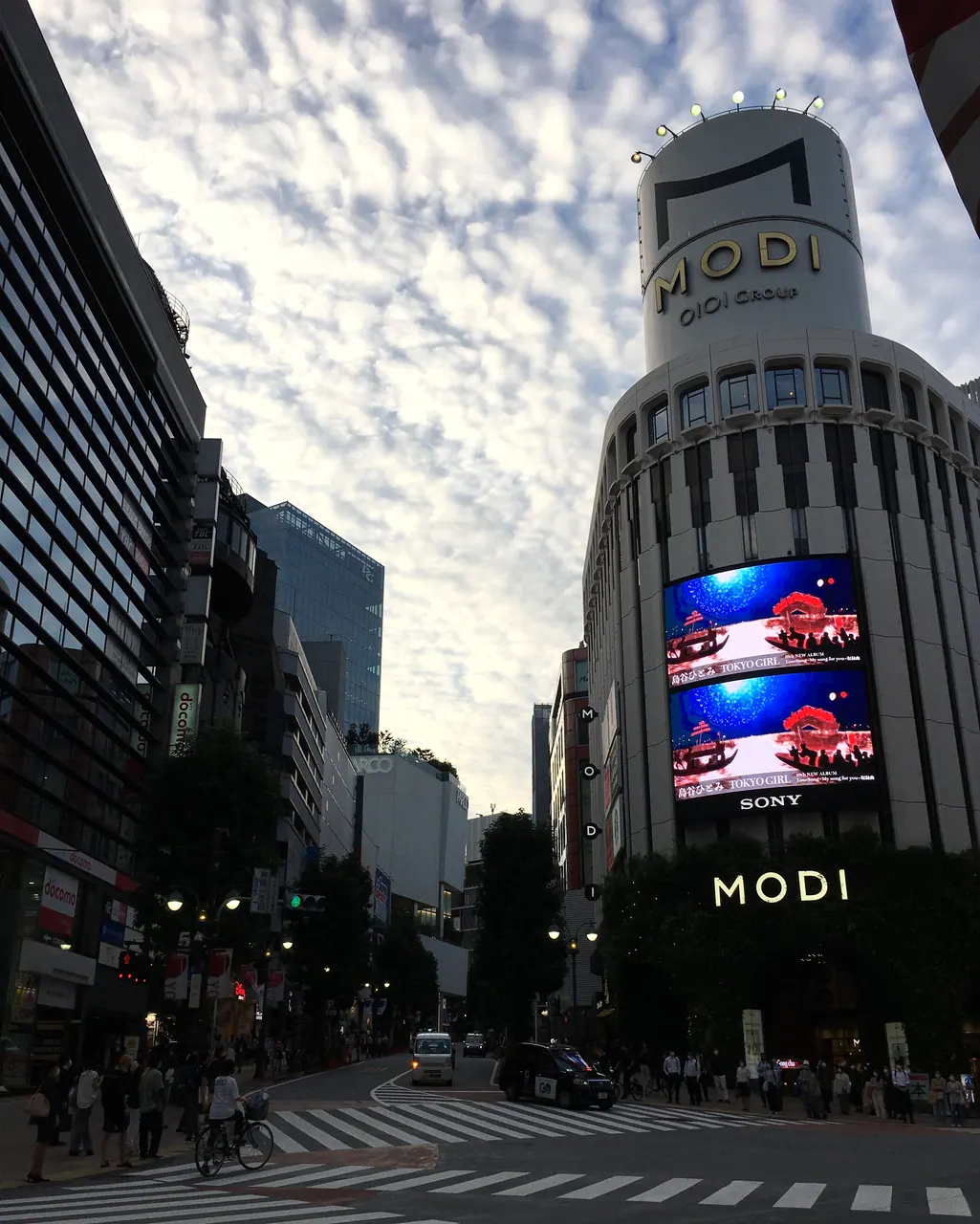
Koen-dori in 2021, before the bench described here was installed. · Asanagi · CC0 1.0 · Resized, lightly adjusted brightness and color, converted to WebP; metadata removed. -
Shibuya — Miyamasuzaka: In an interview published by the ward in May 2025, a neighborhood association adviser said that people who became tired on this slope had nowhere to rest and called for benches. An April 2026 local news report says benches were then installed on the sidewalk opposite Shibuya Post Office during work on the middle section. A photo published with the report shows the new stools. The earlier comment is one person’s observation, not a full count; we have not confirmed the seats’ present condition, use restrictions, exact positions or vacancy.
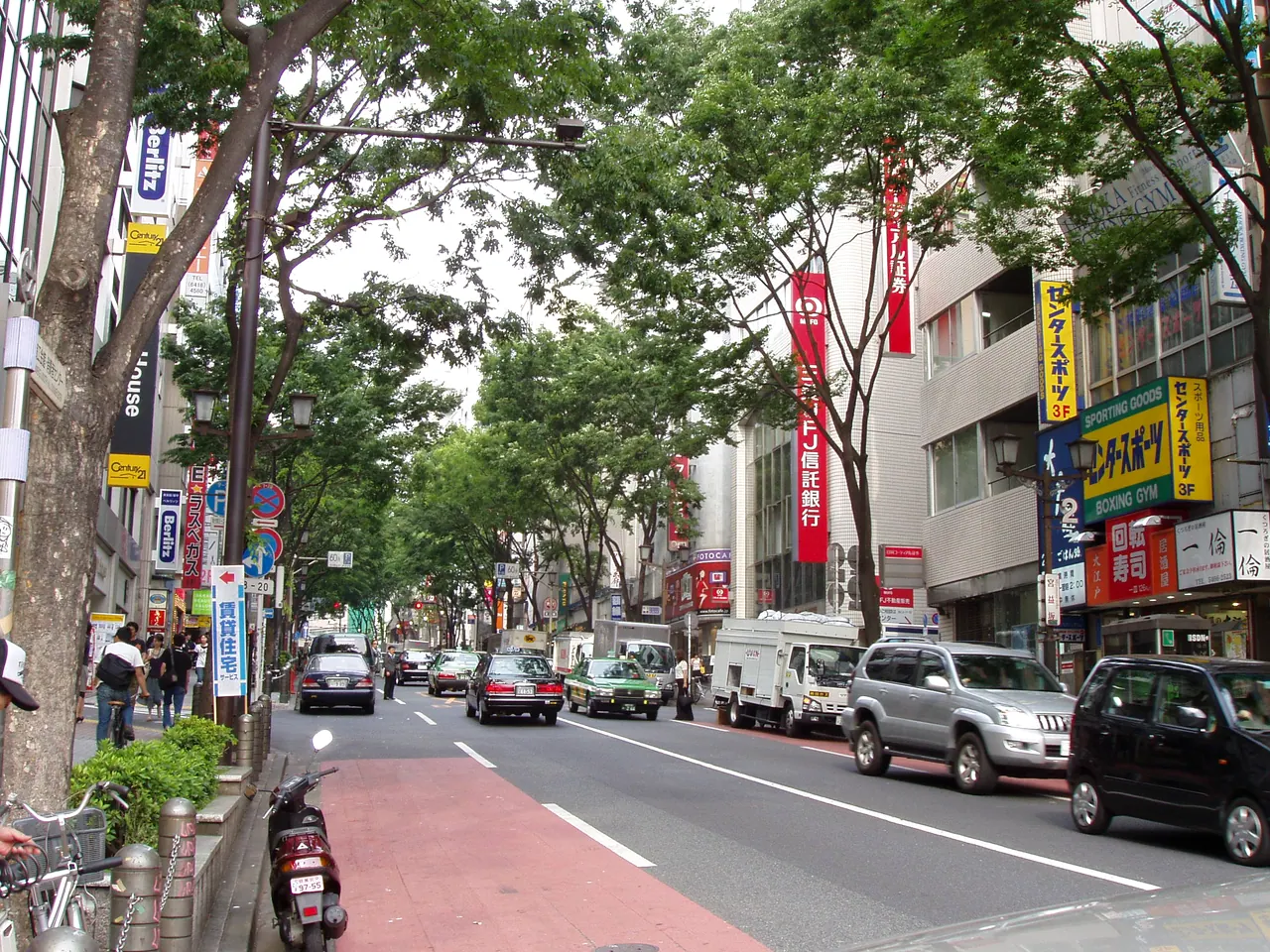
Miyamasuzaka in 2008, before the seats described here were installed. · 江戸村のとくぞう · CC BY-SA 4.0 · Resized, lightly adjusted brightness and color, converted to WebP; metadata removed. -
Shibuya — Miyashita Park: The ward’s 2024 guide describes benches in the fourth-floor park. The operator’s access guide estimates three minutes from Shibuya Station to the park, not to a particular bench. The operator lists 8 a.m.–11 p.m. and closes the park December 29–January 3. Opening arrangements can change; the rooftop park is separate from its paid sports facilities.
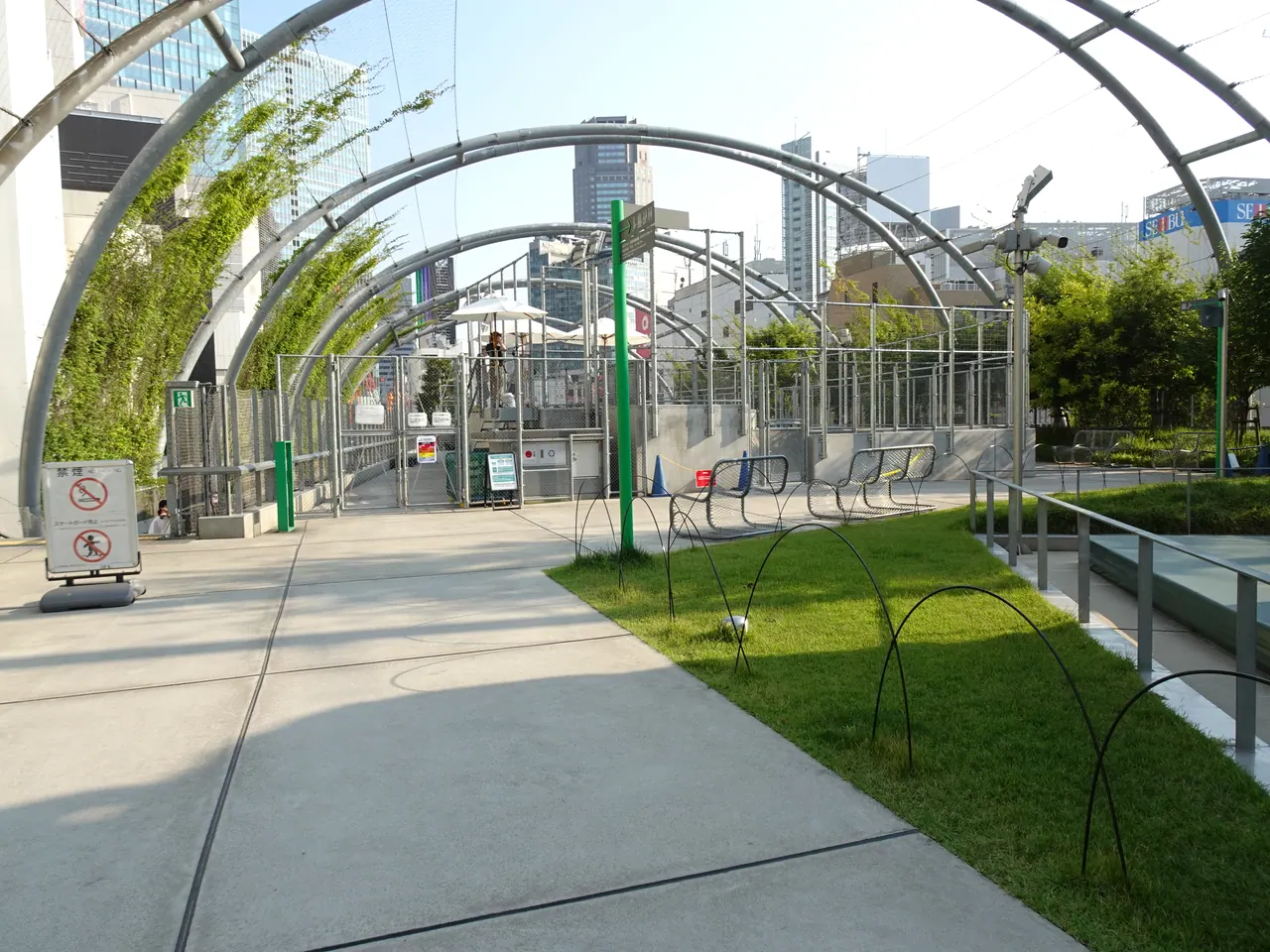
Miyashita Park in 2024; seating may have changed. · RuinDig / Yuki Uchida · CC BY 4.0 · Resized, lightly adjusted brightness and color, converted to WebP; metadata removed. -
Asakusa — Sumida Park Information Center: Near the Tobu railway bridge, Taito City lists rest benches, toilets and a nursing room. It is open 9:30 a.m.–6 p.m.; it closes December 29–January 3 and on the day of the Sumida River fireworks festival. The center is also a stop on our Sumida River walk.
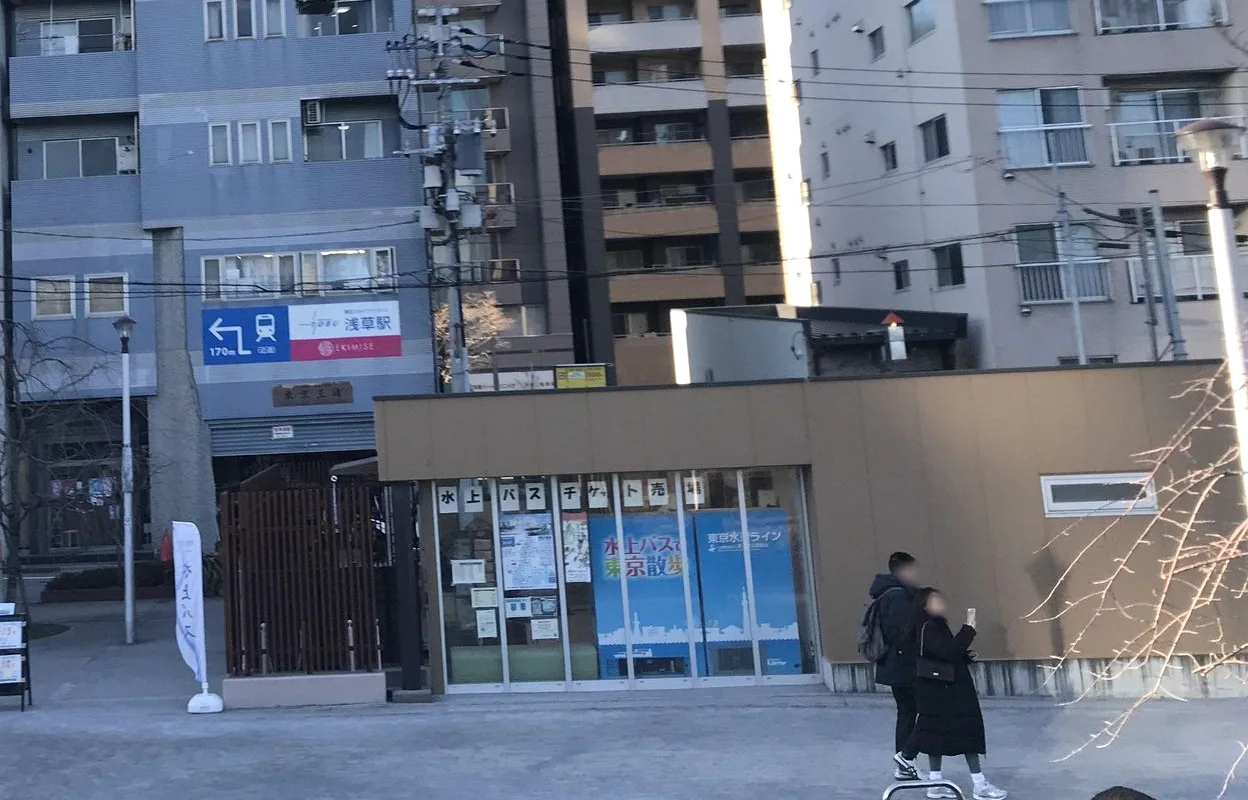
Sumida Park Information Center in 2025, also a waiting room for Tokyo Mizube Line boats. · musashino5 / Mapillary · CC BY-SA 4.0 · Cropped, lightly adjusted brightness and color, converted to WebP; metadata removed. -
Ginza — GINZA SIX Garden: A building article describes benches in the rooftop garden. The operator lists 7 a.m.–11 p.m., with possible weather closures and event restrictions. This is a rooftop destination, not a seat beside you on Chuo-dori.
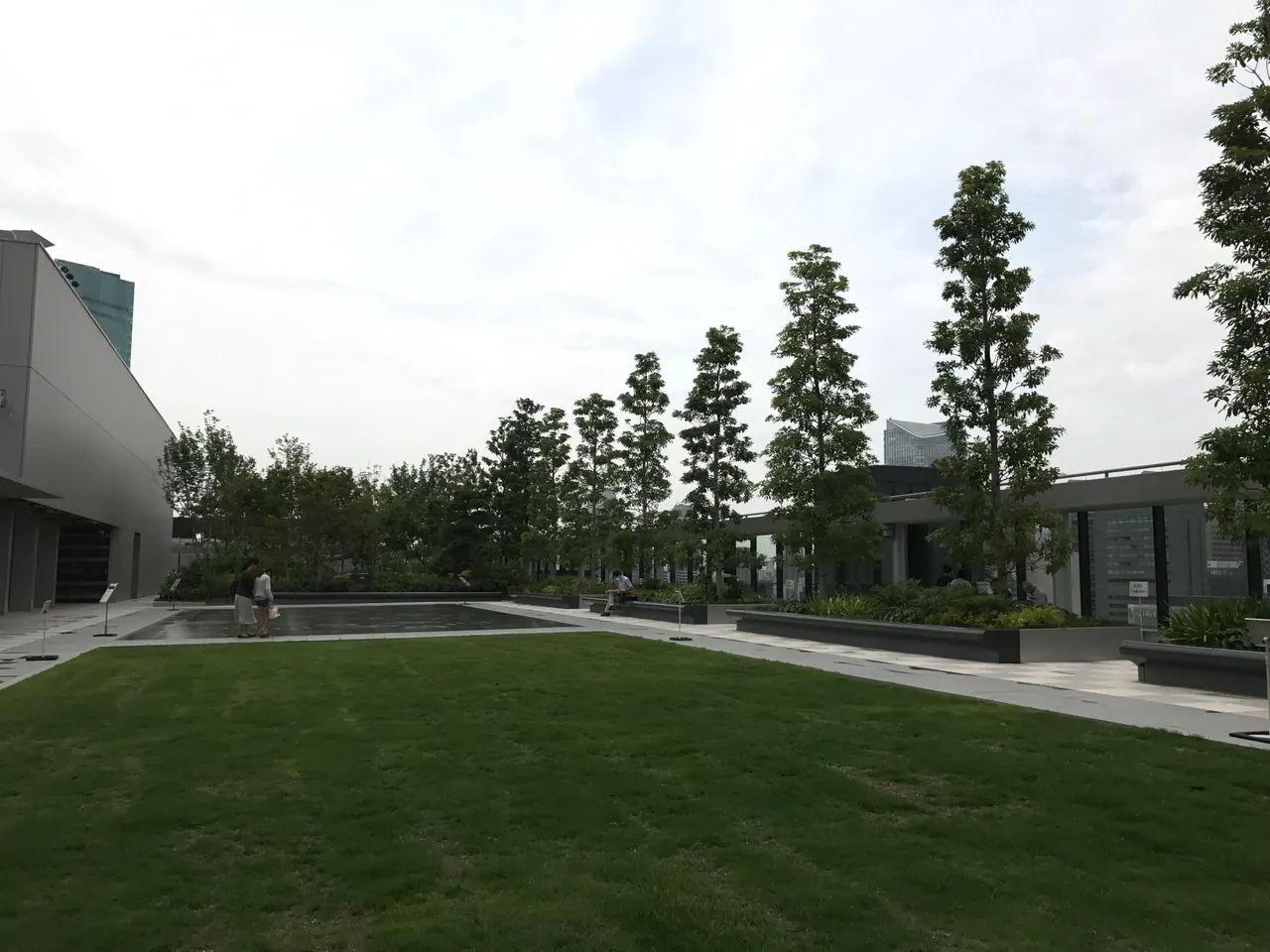
GINZA SIX Garden in 2017; seating may have changed. · Kanesue · CC BY 2.0 · Resized, lightly adjusted brightness and color, converted to WebP; metadata removed. -
Ginza — Ginza Sony Park: Near Sukiyabashi Crossing, the operator describes spaces throughout the building where visitors can relax, including on benches. Admission is free, though some programs may charge or require registration. Usual hours are 11 a.m.–7 p.m., subject to events and maintenance closures. The park connects to Ginza Station’s underground B9 exit, but that passage’s hours differ from the park’s; the operator also lists elevators serving the floors. Check the specific event, seating conditions and availability before relying on a place to rest.
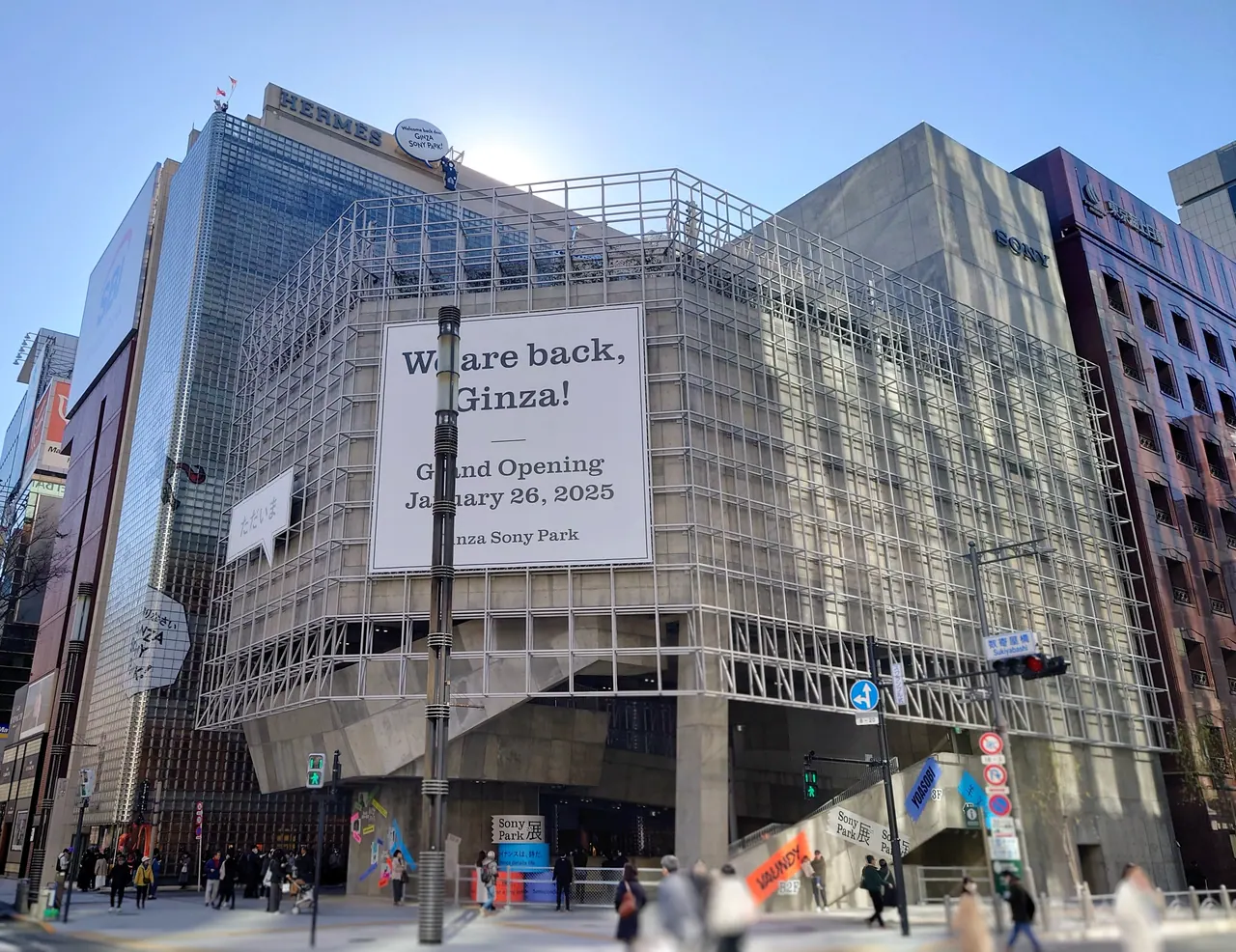
Ginza Sony Park in 2025; the signs shown are from its opening. · Gungun01 · CC0 1.0 · Resized, lightly adjusted brightness and color, converted to WebP; metadata removed. -
West Shinjuku — Shinjuku Central Park: Shinjuku City describes benches on the greenery and view terrace. The park is in Nishi-Shinjuku, not immediately outside every Shinjuku Station exit; allow for the journey.
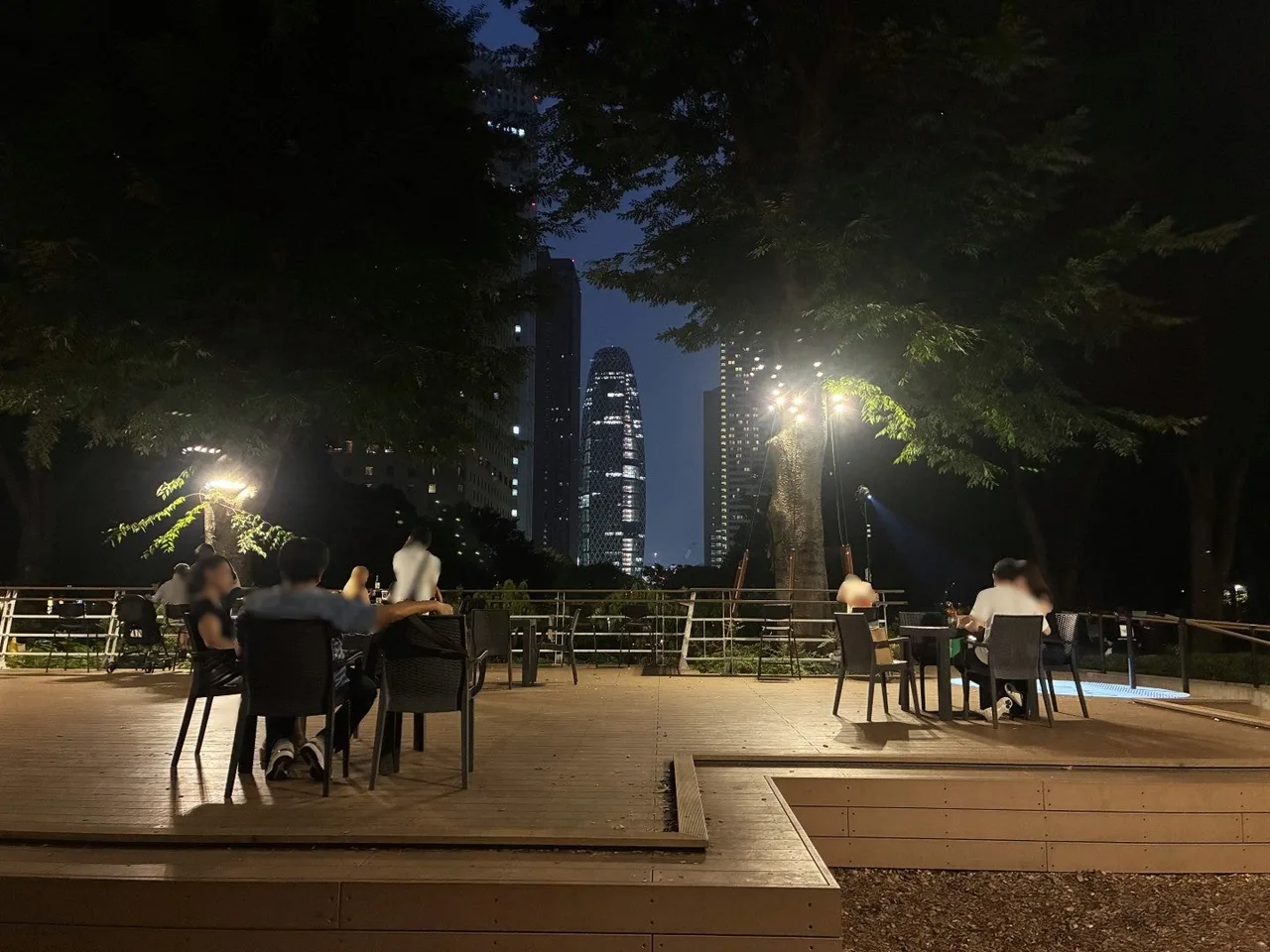
Shinjuku Central Park’s viewing area in a 2026 event announcement; the seating shown may be specific to the event. · Parks Japan.F · PR TIMES media terms · Resized and converted to WebP; metadata removed. -
Nakano — Nakano Shiki no Mori-dori: Nakano City says it is testing benches near Shiki no Mori Park and along the street by Nakano 4-2 and 4-3, with the trial scheduled through March 31, 2027. This is a temporary trial, not a permanent or guaranteed seat; the ward’s separate station-plaza trial dates have already passed. Current hours, closures and availability are unconfirmed.
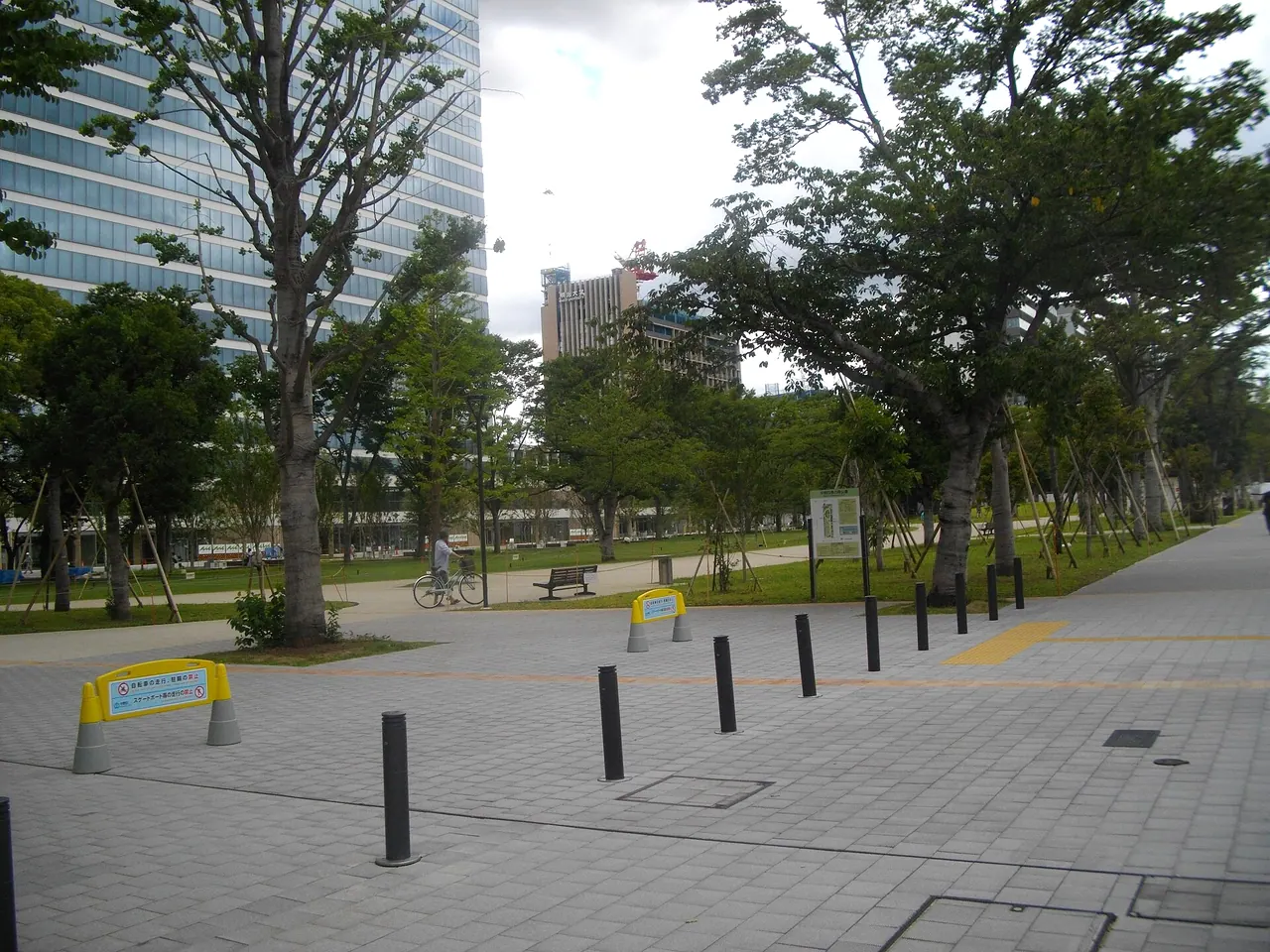
The nearby park entrance in 2012, before the street seating trial described here. · Kentin · CC BY-SA 3.0 · Resized, lightly adjusted brightness and color, converted to WebP; metadata removed.
For more places to look, Chuo City’s bench map covers areas including Ginza and Nihombashi and is dated April 2025. Across the Sumida River from Asakusa, Sumida City’s map and list cover parks and ward-managed roads; the page was updated in October 2025. Farther west, Setagaya City publishes separate lists of benches at facilities, bus stops and on streets and parks with benches or stools. The park list records whether equipment was present in April 2025, not the number of seats or whether any are vacant now. The street list describes areas and address ranges rather than exact positions. Toshima City also links a list of locations in its bench project, current to July 2026; the list includes facilities as well as street locations, so check their individual hours. These records have different scopes and dates: use them as leads, not a current, complete count.
For the sources behind our selected places, browse the rest-spot research list or download the inventory (CSV). Each record gives a place or project, the date and type of evidence, access information and what remains unconfirmed. See the data notes for the definitions. This is not a live seat map or a count of all places to sit.
Does a crowded street mean fewer benches?
It is tempting to explain the difference through population density, crowds or narrow streets. Those are worth investigating, but none tells us how many usable seats a tired person will find on a particular route.
There is also a useful historical picture of the wider area. An open dataset from the Ecozzeria Association, last updated in November 2022, lists 108 locations across Otemachi, Marunouchi and Yurakucho. We counted 803 in the count column of daimaruyu-suwarerubashodata.xlsx, which the provider defines as benches and similar objects at those locations—not the number of people who can sit. The provider says the list is incomplete; the survey date, access conditions and present status are not specified. It is a record of places, not a promise that all 108 are available today or a count for Nakadori alone.
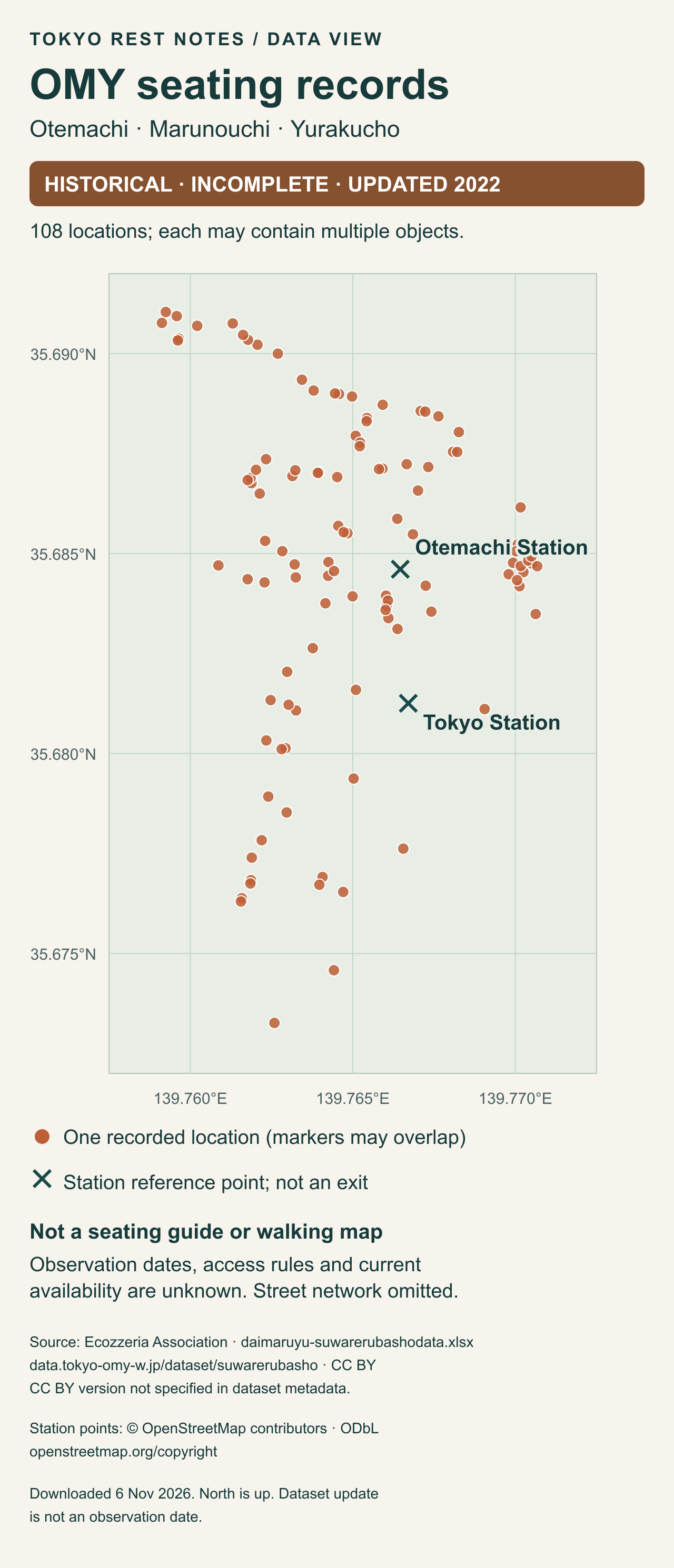
The distribution of the 108 recorded locations; nearby points may overlap. Data: Ecozzeria Association, daimaruyu-suwarerubashodata.xlsx, Creative Commons Attribution, version unspecified in the dataset. Points projected and styled for this graphic. Station reference points: © OpenStreetMap contributors, ODbL. Map sources and code (ZIP, 1.5 MB).
For example, 2020 census figures put residential density at about 5,719 people per square kilometer in Chiyoda, 12,788 in Minato and 16,141 in Shibuya. Marunouchi is in Chiyoda; Omotesando spans Minato and Shibuya. These cover entire wards and count residents, not people walking through the streets. They cannot rank the crowding or seating pressure on these two avenues.
There is a closer, though older, glimpse of pedestrian traffic. Research company Facecom estimated 27,246 passages in both directions in front of Omotesando Hills from 10 a.m. to 8 p.m. on Thursday, February 7, 2019; on Sunday, February 10, it estimated 47,673 over the same hours. At another point on Omotesando, in front of what was then the Nike Harajuku store, the corresponding estimates were 39,888 and 75,462. The company sampled traffic and adjusted its observations to hourly figures. These are passages, not necessarily different people, and two days from 2019 cannot tell us how busy the street is now or how it compares with Marunouchi. They do show why the time and exact stretch matter when describing a walk.
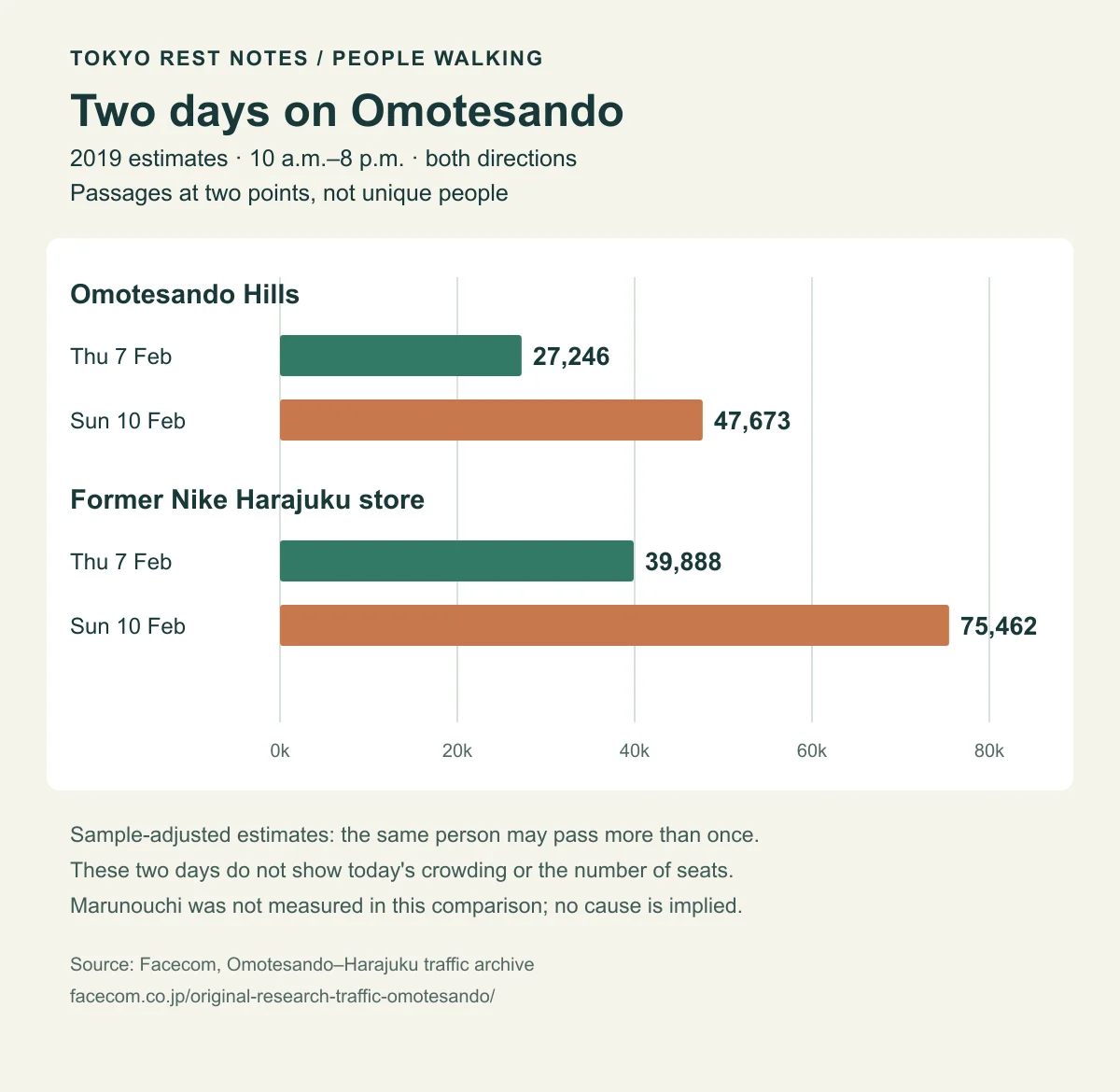
Source: Facecom, Omotesando–Harajuku Traffic Archive. Sample-adjusted estimates for two days in 2019, not a measurement of current crowding or seating. Marunouchi is not included.
At another point near Omotesando Station, Tokyo’s 2021 road-traffic survey recorded 24,921 pedestrian passages between 7 a.m. and 7 p.m. on Tuesday, September 7; bicycles were counted separately. That was one day during Tokyo’s COVID-19 emergency measures, at 3-6-1 Kita-Aoyama. It is neither a current crowd count nor directly comparable with Facecom’s figures from different places and hours.
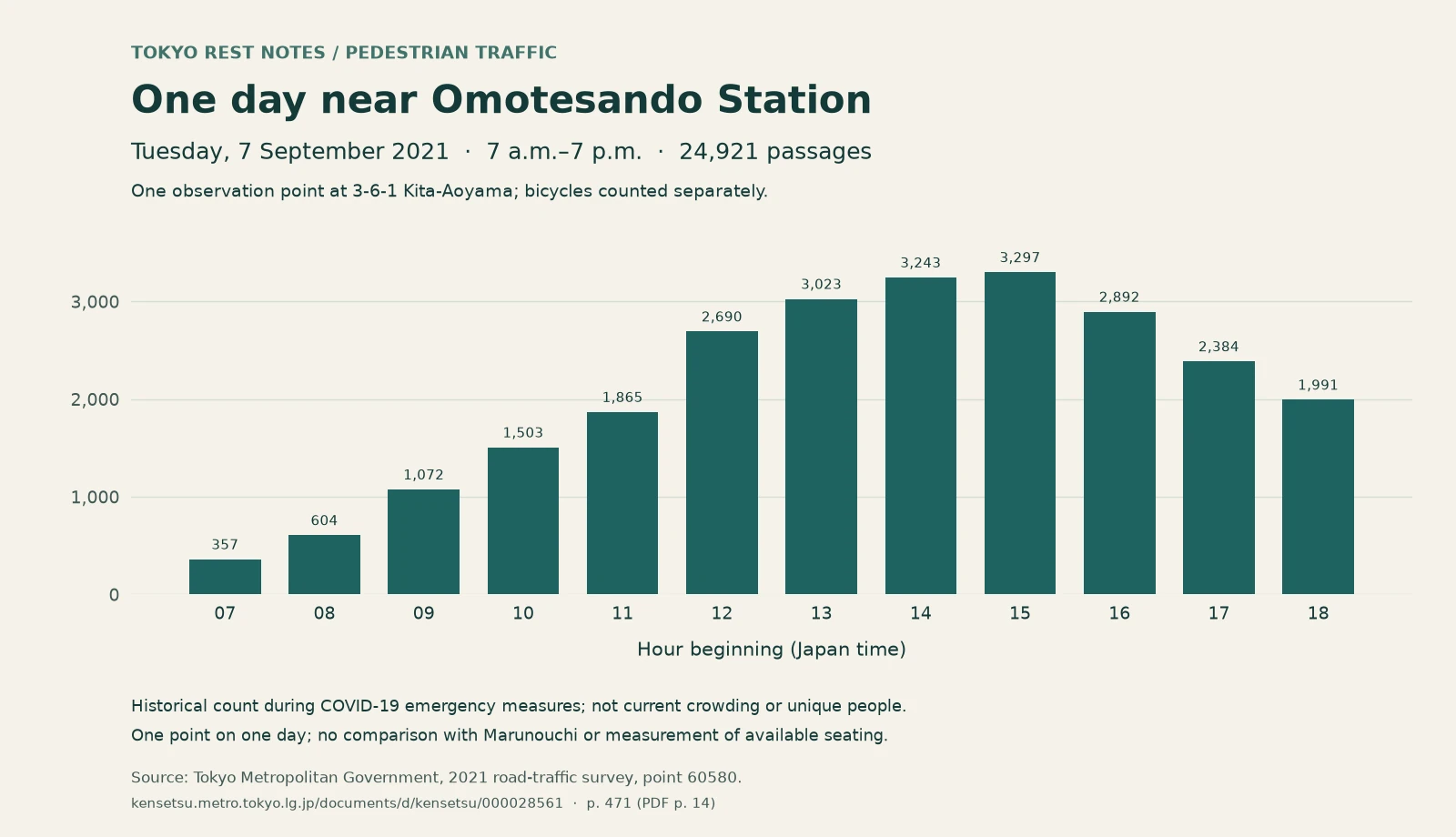
At this point, the highest hourly count that day was 3,297 between 3 and 4 p.m. This is not a prediction of when the street is busiest now. Source: Tokyo Metropolitan Government, 2021 road-traffic survey, point 60580. Open the full-size chart.
Street width needs the same care: the full width includes road space, and it is not the clear width available to pedestrians or to benches. A 2025 plan for the Marunouchi area describes how Nakadori’s 21-meter street space was rearranged: the road was reduced from nine to seven meters while the walking space on each side increased from six to seven. Those design dimensions include privately owned walking space and are not measurements of the unobstructed space at every point. The 2021 survey’s diagram at Kita-Aoyama 3-6-1 shows a 23-meter roadway and five-meter sidewalks on each side. It does not establish the clear space between obstacles or today’s dimensions. The diagrams differ in date and boundaries; they cannot explain where a bench can be installed. We have not found comparable counts of people or usable seats on the two streets under the same conditions. Until those are measured, I would treat the difference as a practical observation and a question worth studying, not a numerical league table or a proven explanation.
Before a long walk, plan the break as part of the route. On Nakadori, look for the places provided along the street; around Omotesando, choose a park, garden or café in advance. And if the first place is full, have a second option in mind.
Practical details checked against the linked sources on November 6, 2026. This is research from published information and the walk described above, not a complete on-site seat count. Opening hours, access rules and seat availability can change.