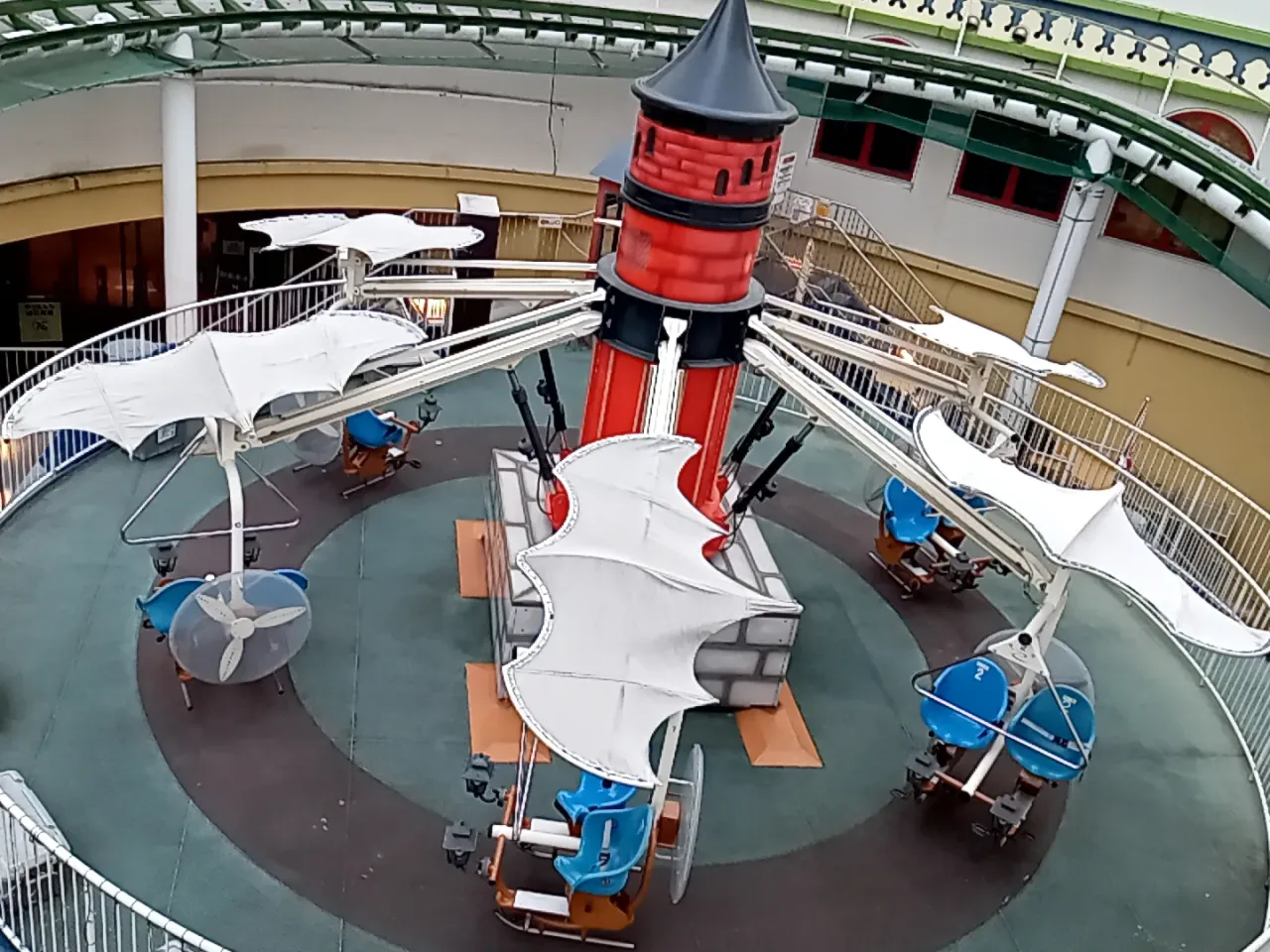
A morning in Asakusa can contain a temple, a little shopping and an amusement park. With a young child, the useful question is not whether you can fit all three in. It is where you can stop when the morning gets too loud, too hot or simply too long.
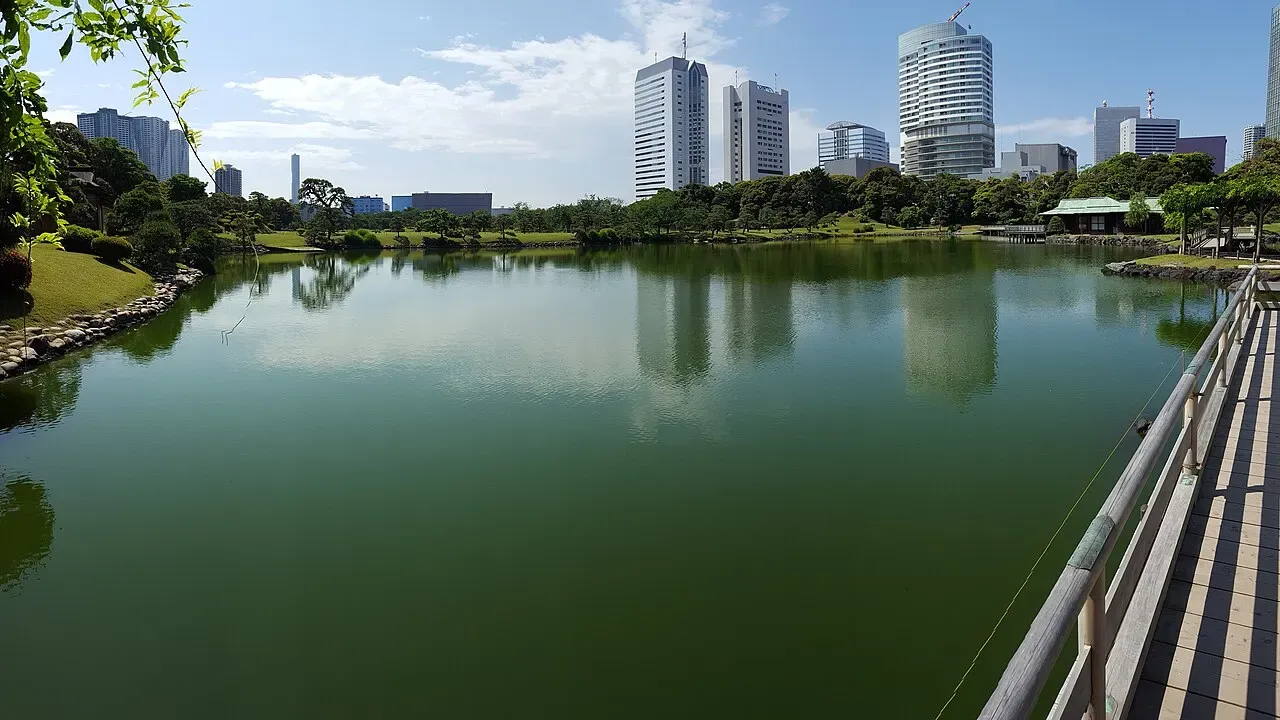
I live in Asakusa with my wife and daughter. When we go out, I look for places where she has room to move and we can keep a comfortable pace. At Hamarikyu Gardens, for example, that space is part of why I feel more at ease with her than I do walking through busy streets. Central Asakusa offers something different: a famous temple and a lot to look at, in a much more concentrated space. I would plan the breaks as carefully as the sights.
The route below is a suggested morning, not an account of a walk my family has taken. Start at the Asakusa Culture Tourist Information Center, walk through Kaminarimon and Nakamise to Senso-ji, then decide whether everyone still wants Hanayashiki. Allow around three hours, including a pause, and add time for feeding, queues or a longer play session. You can finish at the temple and still have had a worthwhile morning.
- Asakusa Culture Tourist Information Center
- Kaminarimon and Nakamise shopping street
- Senso-ji · a good place to finish early
- Hanayashiki · optional
The center and terrace are free; the amusement park normally charges admission for adults and children aged five and older, plus separate ride costs. Discounts and exemptions have their own conditions. These times are planning suggestions, not walking times we measured with a stroller.
A morning with a built-in exit
- 9:00–9:30 · Information center: Use the facilities and go up for the view if it suits your group. Skip the terrace if the elevator wait is too much.
- 9:30–10:30 · Temple approach: Walk through Nakamise and visit the main hall. Shorten the shopping street or finish after the temple if needed.
- 10:30–11:30 · Optional play: Enter Hanayashiki if it is open and your child wants to play; keep the rest of the morning free if they are tired.
- Around noon · Lunch or return: Take a lunch break or head back. Pause earlier if hunger arrives before the last stop.
These are editorial planning blocks, not a timed or step-free route. A feed, a long queue, a shop that catches a child’s attention or a nap can change the whole morning. Choose the order for your family: a parent traveling alone may want to use the changing facilities first, while a group with another adult can split a task and meet again. The point of the plan is to have a comfortable place to stop before the day feels difficult.
9:00 a.m. — Start with a view, but locate your break first
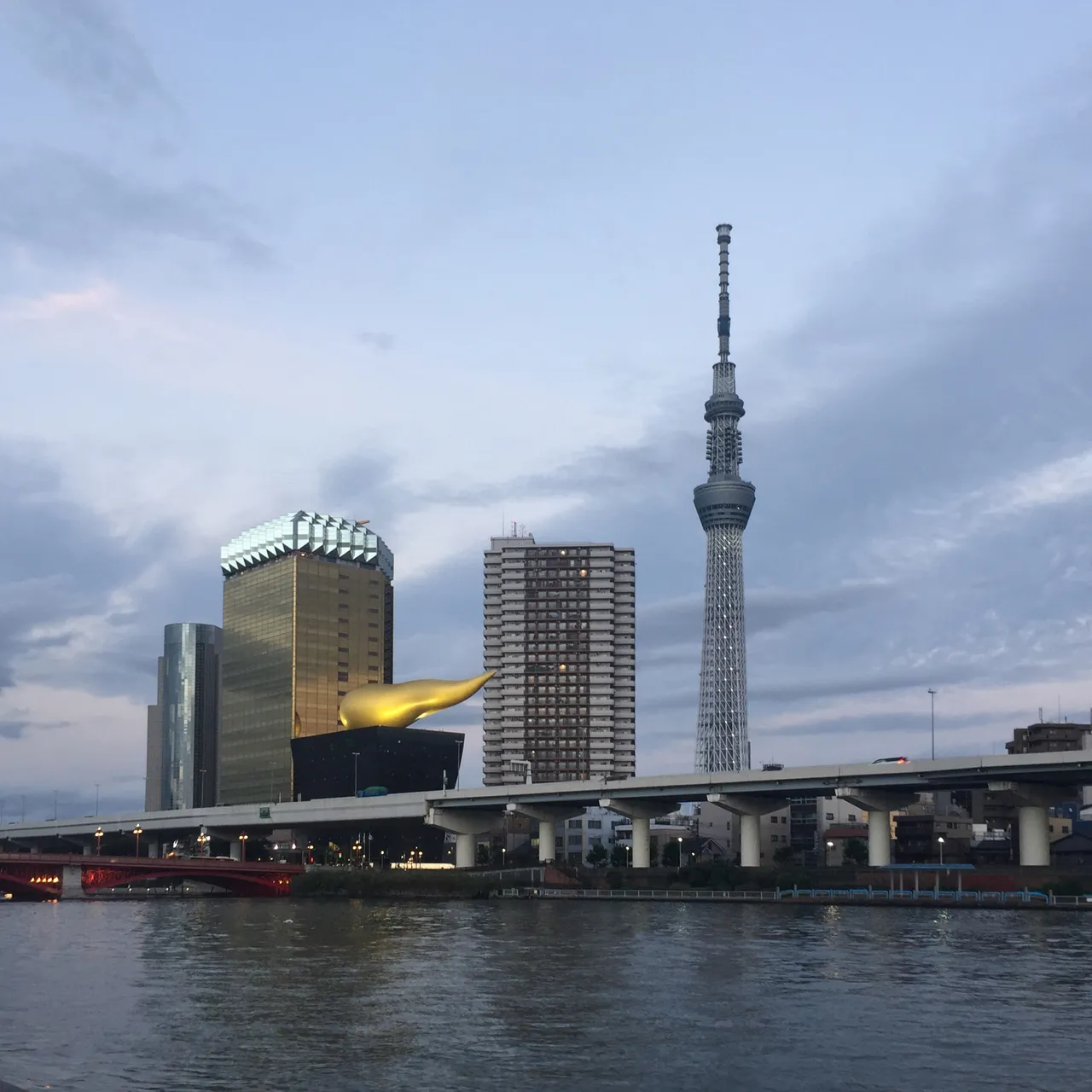
The Asakusa Culture Tourist Information Center faces Kaminarimon. Its eighth-floor terrace is free and looks over the neighborhood: you can point out the gate and the long approach to the temple before joining the people below. Give this stop roughly 15–30 minutes, or longer if you need to feed or change your child.
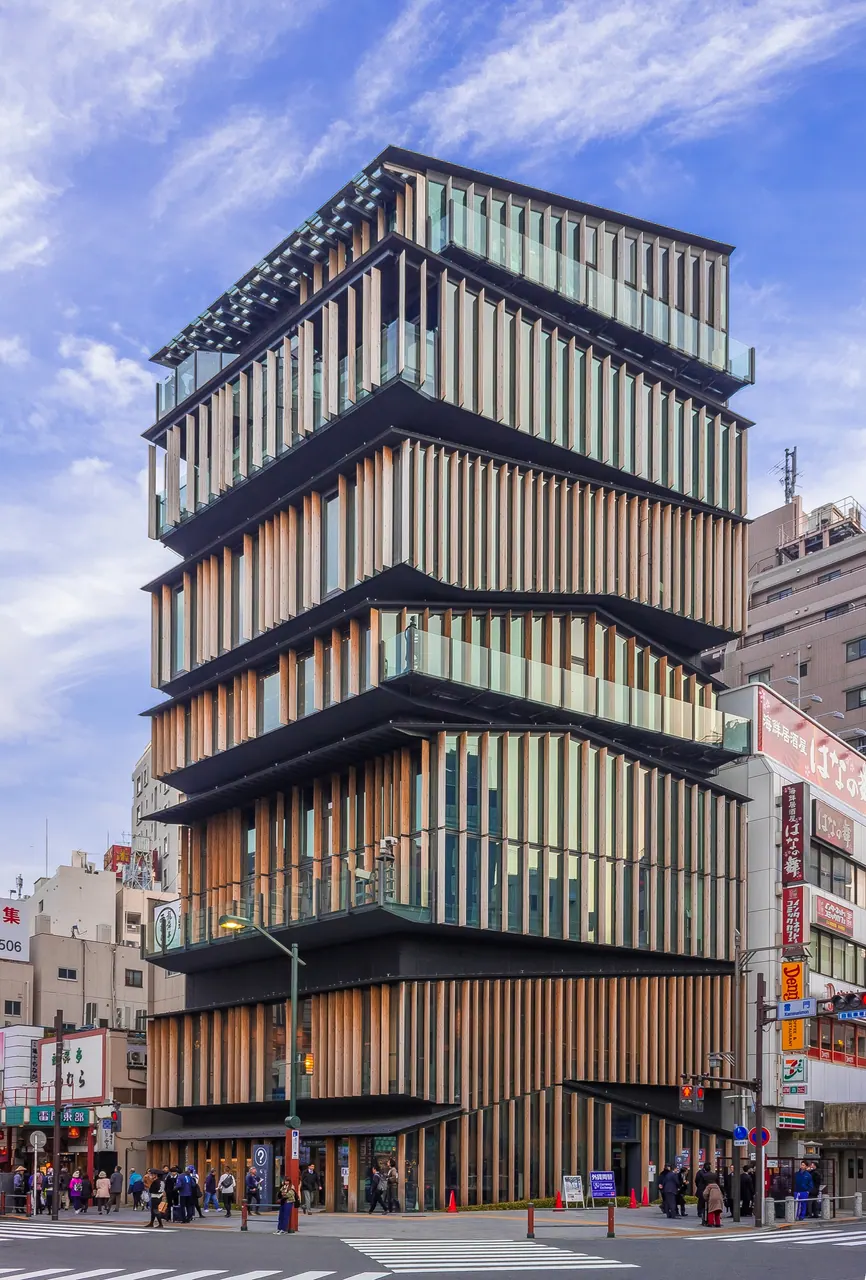
The practical floors matter as much as the view. The second-floor nursing room has two feeding booths, a hot-water dispenser for formula and a changing bed; the ward lists it as open 9 a.m.–8 p.m. On the sixth floor, a space with seats can be used for a break or a packed meal, although it may not be available for resting or eating during events. The free terrace is listed as open 9 a.m.–10 p.m.; maintenance can close the building. Check the ward’s facility guide before relying on a particular floor.
There is a trade-off. Among the Google Maps reviews we read, one visitor described waiting around ten minutes for an elevator on a hot day and finding the outdoor terrace hot too. Another visitor reported no elevator queue, and another said a long line moved quickly. These are different visits, not a prediction of your wait. If a child needs a break now, use the facilities first; treat the view as optional. Taking stairs instead of waiting may work for some adults, but is not an easy substitute when you have a stroller.
The center also lists stroller rental, with five strollers for children from one month through four years, up to 18 kg. Pickup and return are at the first-floor counter from 9 a.m. to 7:30 p.m.; registration, reservations, fees and availability are handled through the linked rental service. It is a paid service, not something to assume will be available on arrival.
The ward lists a one-minute walk from Exit 2 of the Tokyo Metro Ginza Line’s Asakusa Station. But the nearest exit and the easiest exit with a stroller are not necessarily the same. Tokyo Metro’s station map marks an elevator to street level at Exit 1, while Exit 2 is the shorter approach to the information center. Check the station’s accessibility information for your platform and the latest elevator status; we have not tested the complete route from train to street with a stroller.
The three other railway operators also have stations called Asakusa, and their exits are not interchangeable with a Tokyo Metro exit number. Before leaving the train, look at the operator and exit signs, then use the information center’s staff and maps if you need help. A couple of minutes spent getting oriented can be more useful than trying to reproduce a walking estimate while carrying a bag and watching a child.
Around 9:30 a.m. — Walk through Nakamise to Senso-ji
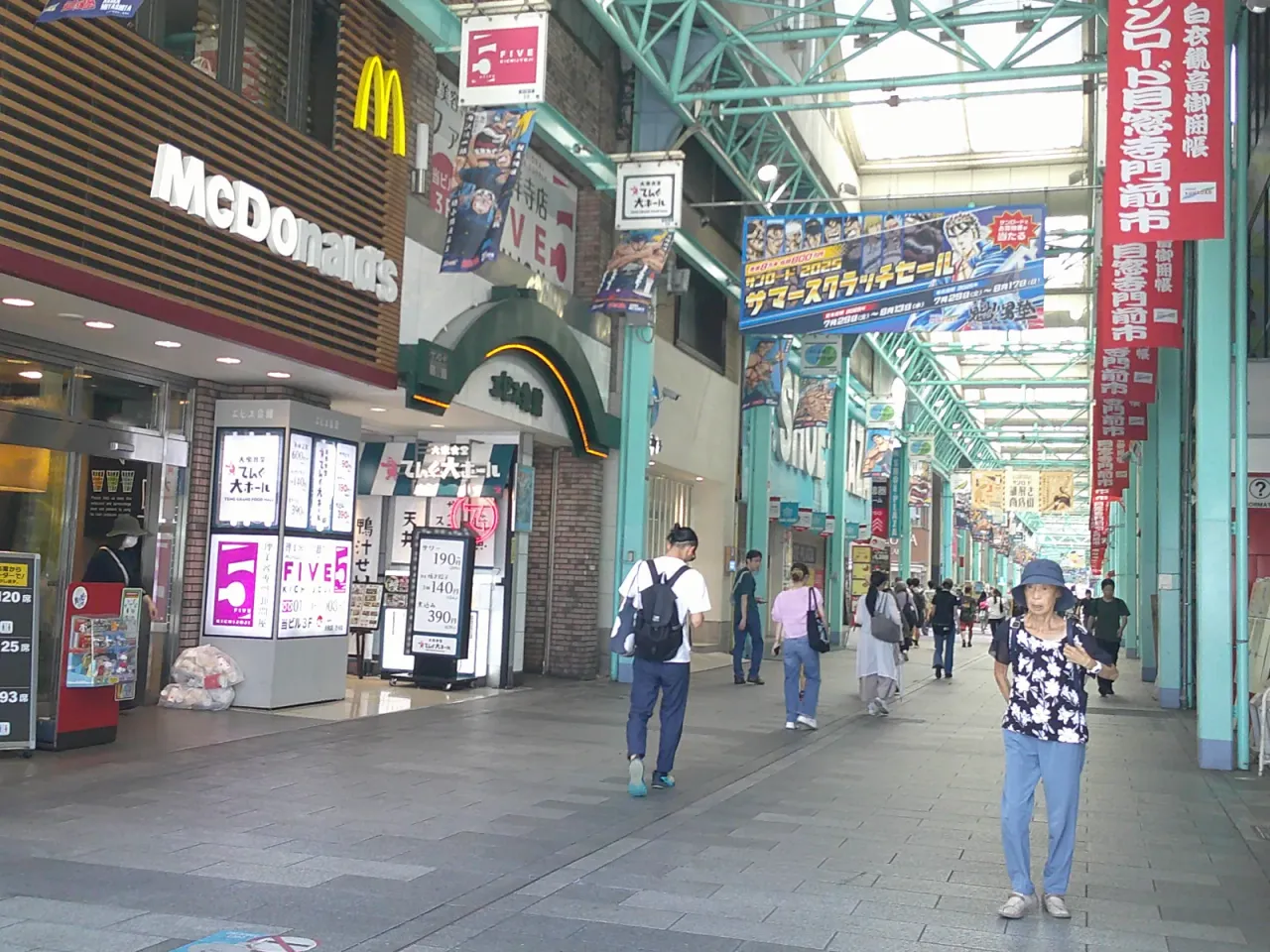
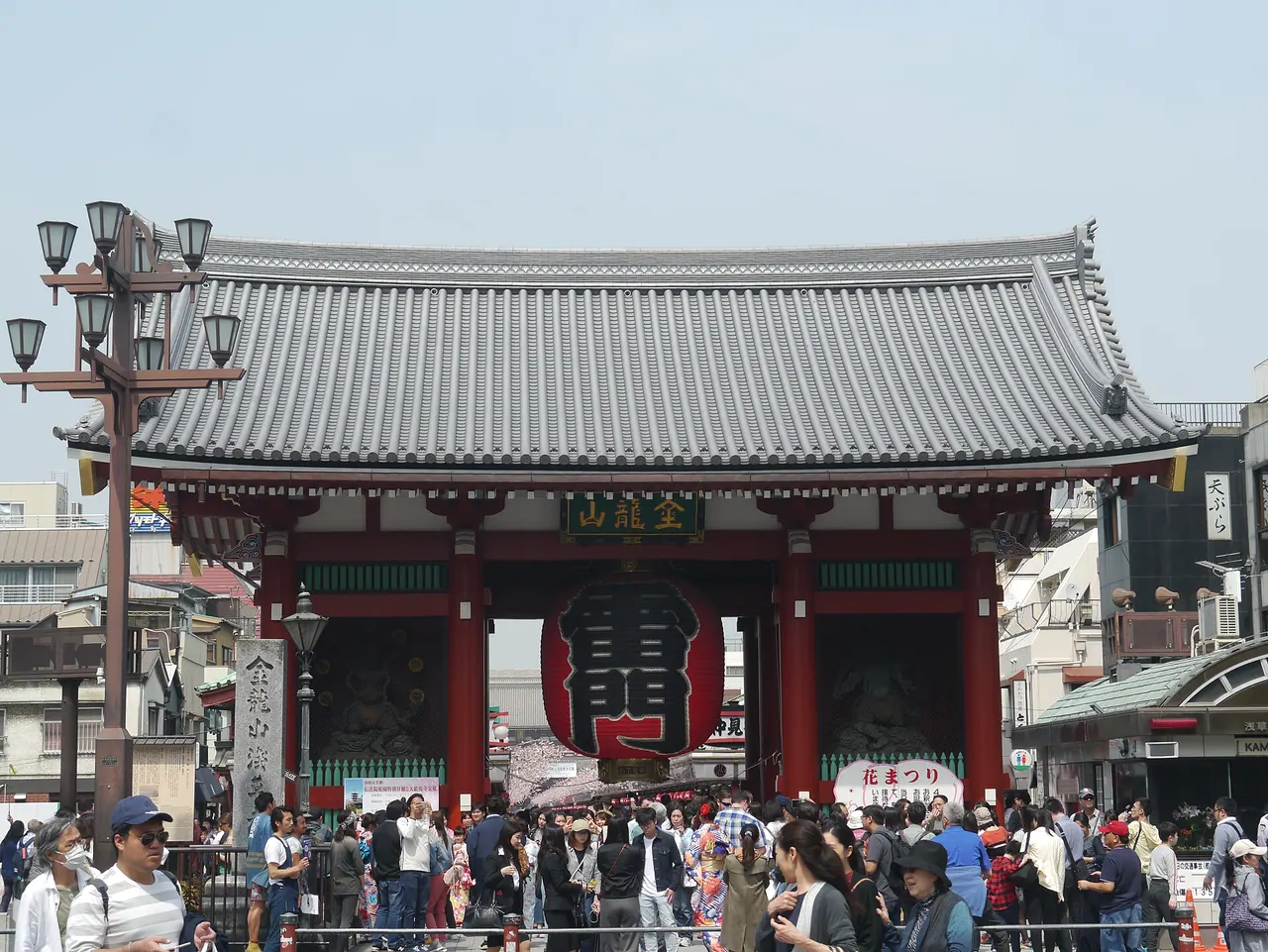
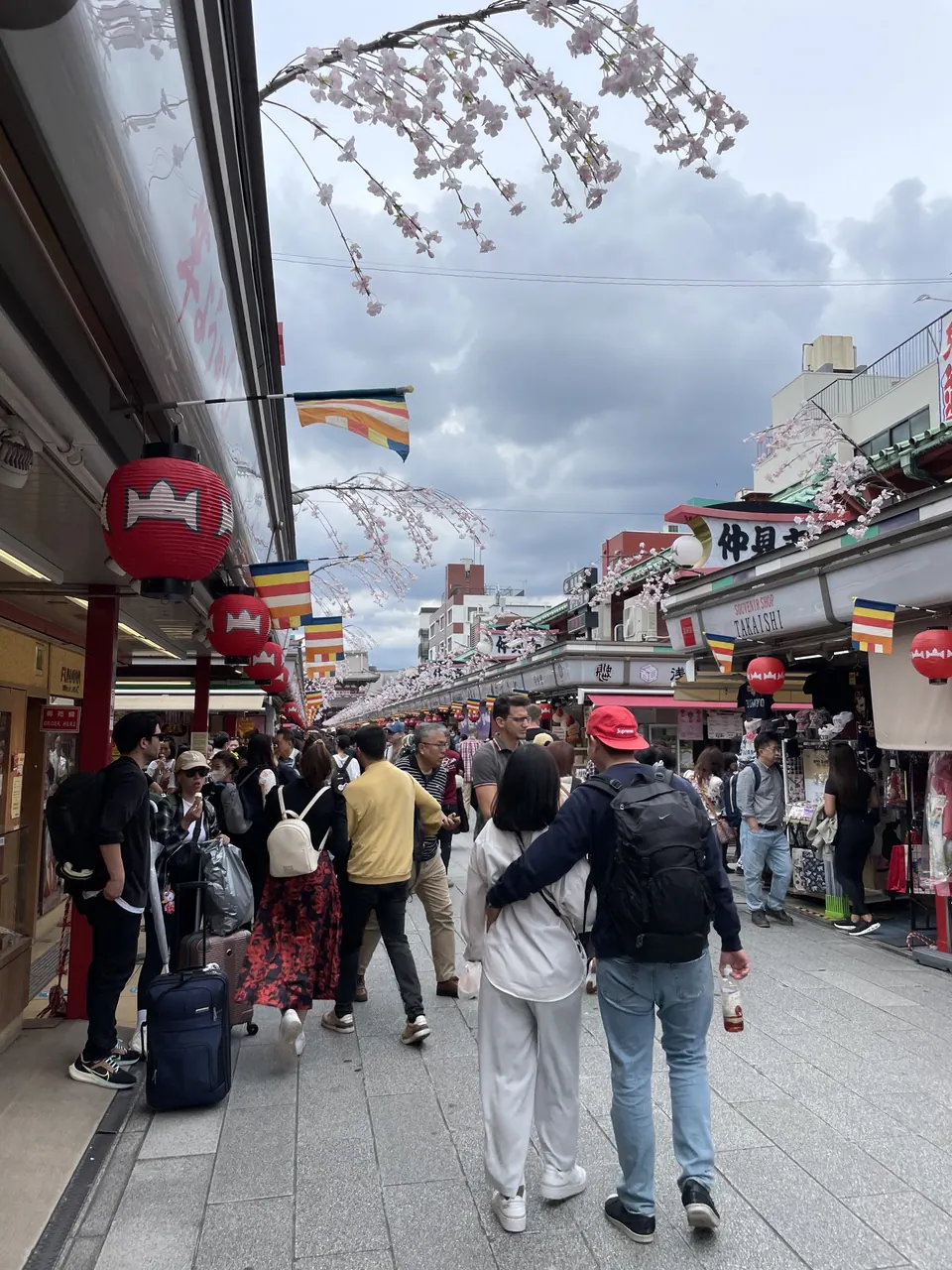
Cross toward Kaminarimon, the big outer gate, and follow Nakamise, the shopping street on the approach to Senso-ji. For a small child, the lantern, shop displays and a snack may be plenty to take in. You do not need to turn every shop into a stop: it is fine to look, choose one thing together and keep some attention for getting through the crowd.
Our reading of 106 Google Maps reviews of Nakamise included people who enjoyed the displays and variety as well as people who found the street crowded or prices high. One early visitor reported a busy street; other visitors described quieter experiences. A low-rating sort was included in our sample, and the reviews were posted at different times, so they cannot tell you which hour will be quiet or what every shop charges. If the street feels too crowded for your family, take a break from the flow, decide together whether to continue, and avoid making the morning depend on a perfect photograph.
One Senso-ji reviewer felt the space in front of the main hall was more open than Nakamise during their visit. That is an individual observation rather than a guarantee: festivals, weather and the day’s crowd can change the experience. Another reviewer described losing sight of a child and getting help from a police officer. Before entering a busy stretch, agree on a simple meeting plan appropriate to your child’s age and keep close enough to communicate.
What to do when shopping and sightseeing compete
A child may find the giant lantern or the window displays more interesting than a long explanation of the temple. A short task can give the approach a shape: look for one color in the displays, choose a snack together, or pick one object to notice at the gate. That is a suggested way to explore, not a claim about what every child will enjoy. If someone wants to shop carefully, another adult can take responsibility for the child; if you are on your own, you can choose one stop and leave the rest for another day.
Food on the approach is tempting, but the line for a snack, finding a place to finish it and cleaning hands can take as much patience as buying it. Taito City’s visitor guidance asks visitors not to obstruct pedestrians, not to touch goods with hands used for outdoor food, and to use a bin or take rubbish away. A small bag for wrappers and wipes is practical when traveling with a child. Shops decide their own prices and opening hours, and a souvenir stall should not be treated as a guaranteed lunch stop.
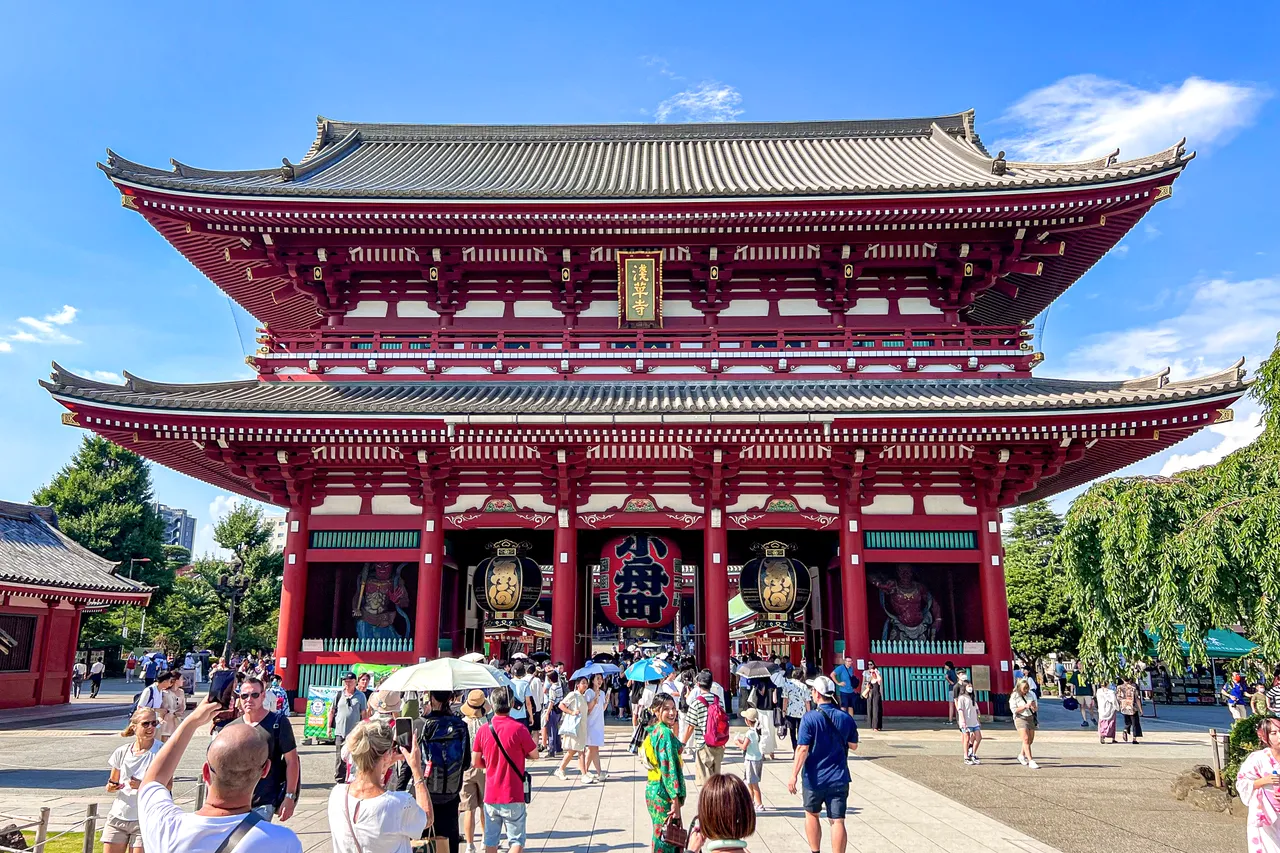
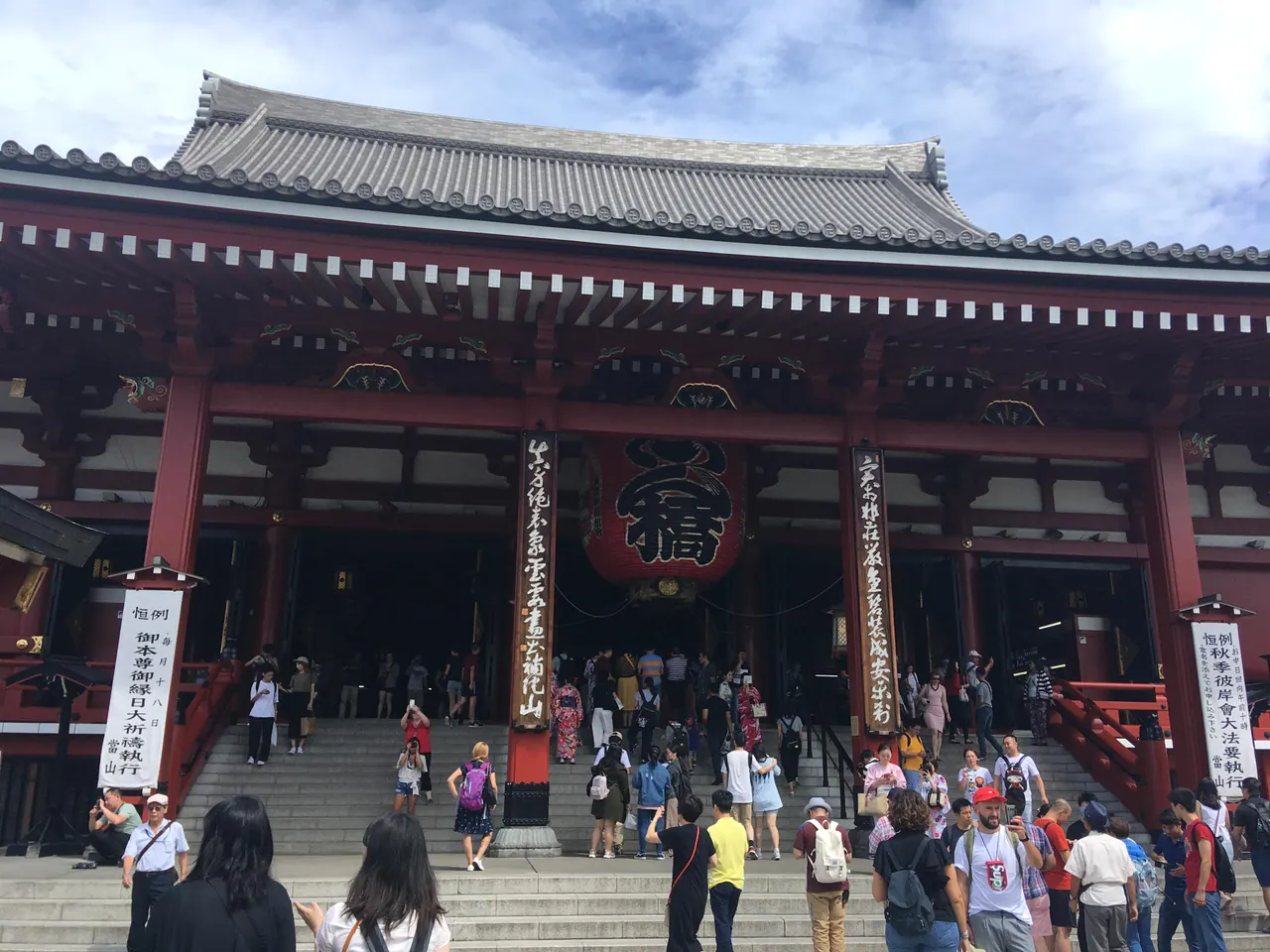
The temple is a working Buddhist place of worship as well as a place to visit. You can pause at the main hall and watch people pray without feeling obliged to cover the whole precinct. The temple’s FAQ lists an elevator to the left of the main hall and multipurpose toilets with changing tables and child seats to the right of Hozomon Gate and behind the main hall. It lists the hall’s normal hours as 6 a.m.–5 p.m., opening at 6:30 a.m. from October through March. Allow roughly 30–60 minutes for the approach and temple, but give yourselves permission to leave sooner.
Around 10:30 a.m. — Decide whether Hanayashiki fits your child today
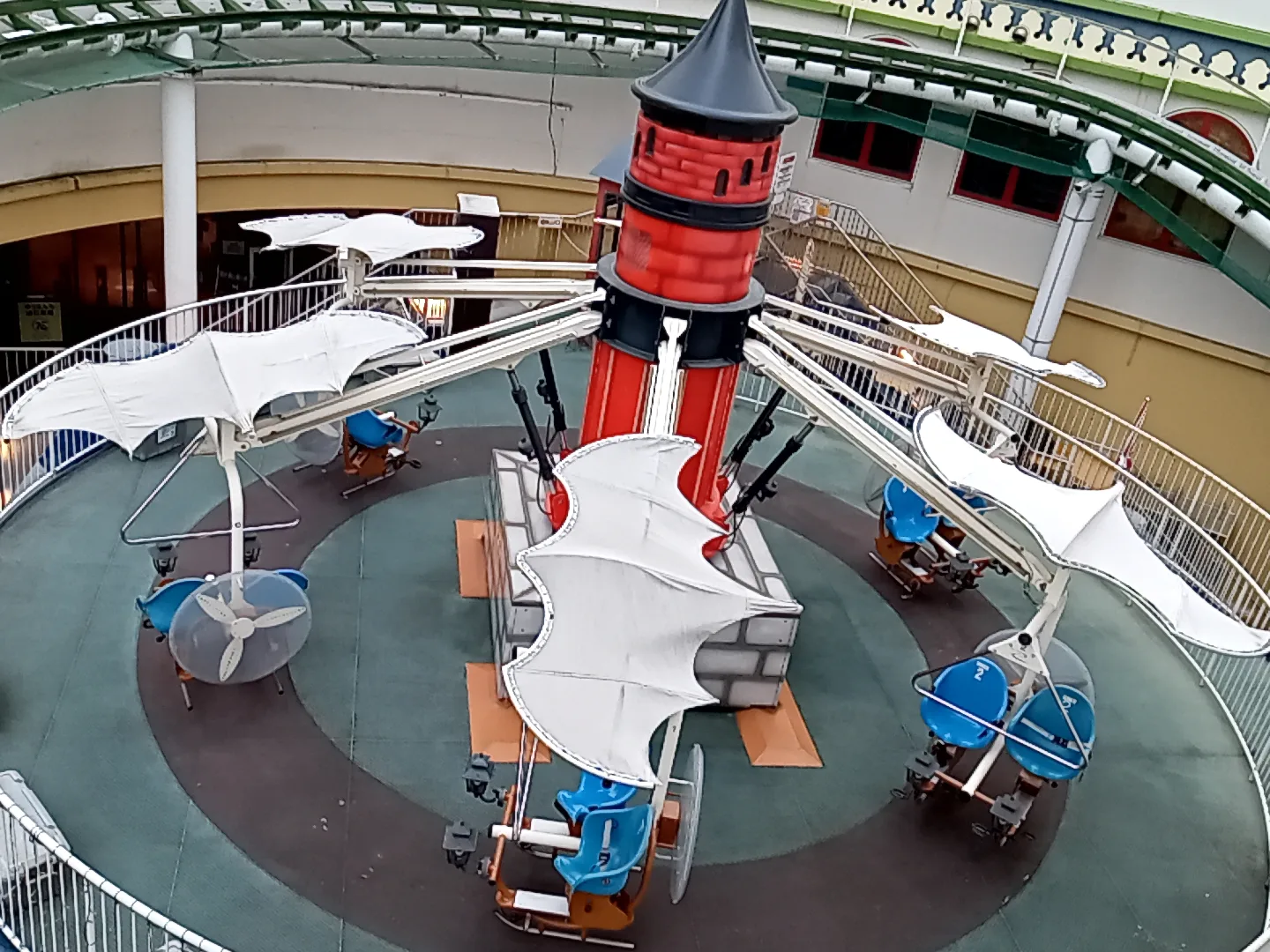
From the temple area, continue toward Hanayashiki, a compact amusement park with its Asakusa Gate entrance closer to Senso-ji. The park’s FAQ lists normal hours as 10 a.m.–6 p.m., with changes for weather, season and other circumstances; check its calendar for your date. Admission closes before the end of the day, and the park says entry and exit are at different gates.
Winter planning: The park lists December 15, 2026 as a closure and January 1, 2027 as a 1 p.m. opening, so the 10:30 a.m. stop above will not work on either date. Its ticket information lists other closed days and shorter hours; check the latest schedule before setting out.
The compact size is an advantage only if the activities suit your child. In the Google Maps reviews we read, one parent liked being able to visit with a young child without covering a large area; another felt the attractions were too intense for their child. One family enjoyed repeating rides on a low-wait visit; another described spending much of their time in lines. A visitor who came with a child appreciated the park’s small scale but found food choices limited and sometimes busy. These are individual accounts, not a measure of the typical wait or a recommendation for every age.
The details of those accounts matter. One parent wrote that the park’s compact size made it manageable with a one-year-eight-month-old and a three-year-old, while noting that adult accompaniment depended on the ride. A different visitor said a hot Sunday left them struggling to find a seat for food with a child. Both are experiences from the individual visit, not promises about queues, safety or seats on another day. For a parent, “small park” can mean less walking between rides; it does not necessarily mean more room to rest.
That range suggests a useful way to decide: look at the ride rules and choose one or two possibilities before buying anything beyond admission. If a child is tired or uncertain about rides, finish at the temple instead. If they still have energy, an hour at the park is a starting allowance, not an obligation to stay until you have seen everything. A short carrier-friendly option can be useful for some families, but we have not checked the route or park for step-free stroller access, so do not treat it as an accessibility guarantee.
The ride your child can take is the useful unit of planning
Start with age, height and how your child feels about movement or noise. On the park’s attractions page, filters include rides for children aged zero to one and two or older, as well as those listed as operating in rain. A filter is a shortlist, not a guarantee that a particular ride is operating or that everyone can ride together. Open the individual ride’s rules and check the entrance sign before committing to tickets.
For a concrete example, the park’s Japanese page for Swan lists five ¥100 ride tickets, no height or age minimum, and an accompanying person of at least junior-high-school age for children aged four and under. The park’s general price page says children in that age group usually ride free, with specified exceptions. For one paying adult and one child aged four or under, a single Swan ride therefore gives a ¥2,100 illustrative total: ¥1,600 adult admission plus ¥500 in adult ride tickets, assuming this ride is open and the stated conditions apply. It excludes transport, food and any other rides. Check each ride’s rules and current operation; children differ in what feels enjoyable.
If two adults are visiting with two young children, check whether each child needs an adult beside them on the chosen ride and whether the vehicle accommodates everyone. A second adult’s admission or accompanying ride is a separate cost. One review we read mentioned accompaniment being more complicated than expected; the park’s individual rules, rather than that person’s old visit, are the place to settle the question.
What a visit can cost
The following are normal prices checked on November 6, 2026; special operating periods can differ. Recheck the park’s price guide and attraction rules before visiting. Our Hanayashiki offers page lists recorded concessions; check each offer’s dates, eligibility and official source before relying on it.
| Ticket | Price |
|---|---|
| Admission, junior high school students through age 64 | ¥1,600 |
| Admission, age 5 through elementary school | ¥800 |
| Admission, age 65 and over | ¥800 |
| Admission, age 4 and under | Free |
| Ride ticket | ¥100 each, or 11 tickets for ¥1,000 |
| Adult one-day pass, admission and unlimited eligible rides | ¥4,600 |
The park says its school-year-based fee categories change on April 1, even before a child has started school; check its current wording if your child’s age and school year do not seem to match the table. Admission alone does not include rides. For example, one adult aged 20 and one child aged four or under pay ¥1,600 to enter. If the adult also buys an 11-ticket bundle, the total is ¥2,600, before food or any attraction-specific charges for the child. Different rides require different tickets, and unused tickets may remain; check the ride’s conditions before comparing this with an adult pass. A child who wants just one or two rides may not need the same plan as a family expecting to stay all day.
For children aged four and under, the park’s ticket information says a paying companion of at least junior-high-school age is required on rides. Its English price page phrases the general rule as under four, so the two pages differ on four-year-olds. Plan for a four-year-old to need a paying companion and check each attraction with staff. There are exceptions: Pyong Pyong requires someone aged 16 or over to accompany children aged two to four; some height-restricted rides charge eligible children aged four and under. Ninnin Park charges from age three; ages six months to two years enter that attraction free.
Lunch, diapers and a way back inside
You do not have to choose between a long restaurant meal and skipping food altogether. The information center’s sixth floor normally permits eating, subject to events. Hanayashiki’s FAQ says visitors may bring a lunchbox and use the park’s tables and benches. One reviewer enjoyed the park’s short distances with children but found its food choices limited and sometimes busy; another described not finding enough seats on a hot Sunday. Those accounts do not establish today’s stock or waiting times, but they are a good reason to carry a snack your child can eat while you decide on lunch. Do not count on an available table at either place.
The same FAQ says re-entry is allowed: ask a member of staff at the exit for a re-entry ticket, then present it at the entrance on return. One visitor in our sample described leaving for a meal and coming back. That gives you a practical choice if a child needs a quieter meal outside the park, though it adds another transition and you should check the day’s conditions before leaving. The park also lists restaurants inside; check the current shop and restaurant list rather than assuming a particular menu, high chair or allergy arrangement.
For babies, the park says diapers are sold from a vending machine in the kids’ play area, but formula is not sold on site; bring what you need. It says hot water is available at the information desk and identifies changing and nursing facilities on its park map. The FAQ’s English wording about the number of nursing rooms is internally inconsistent, so ask staff about the current location and who can use each room. The park says it does not rent strollers; its information desk can hold a folded stroller. That is separate from the paid rental service at the information center earlier in the route.
If it rains, or the day starts later
The shopping-street approach and much of the journey are outdoors. A covered ride or a free indoor break does not turn the whole itinerary into a dry route. The park says that many attractions normally operate in rain, with named exceptions, but outdoor rides can still get wet and weather can affect operation. A reviewer described enjoying less exposed rides and a show on a rainy day; a different temple visitor described crowds even in rain. Neither experience predicts your visit. Check the park’s live notices and attraction rules, carry appropriate rain gear, and be prepared to end after the temple if a wet stroller, wet clothes or an unsettled child makes the park unappealing.
If the morning gets a late start, do not try to recover the schedule by rushing. Begin with whichever need is most urgent—food, a toilet or simply a pause—then choose either the temple approach or the amusement park as the main activity. The center’s nursing room closes earlier than its terrace, and the park’s listed last admission is 30 minutes before closing; its opening hours can vary. The fixed points are worth checking, but your child’s energy should set the pace between them.
The easiest place to shorten this morning is at the temple. The terrace, the gate and a brief temple visit can be enough on their own. Hanayashiki is the option to add when your child wants it, not a reward you have to reach at the end of a tiring walk. For a different outing with room to turn back, see our Sumida River walk from Asakusa.